Did you know that in the UK, the average house price reached an all-time high of £268,349 in 2021?
This staggering statistic, coupled with the ever-increasing need for affordable housing, has propelled the tiny house movement to new heights in the United Kingdom. Originating in the United States, this trend has captivated the British population, offering a solution to the housing crisis and an opportunity for a more sustainable and minimalist way of living.
The tiny house movement in the UK revolves around the concept of compact living and is driven by the principles of sustainable living, minimalist lifestyles, and financial freedom. By embracing the idea of tiny homes, individuals can not only reduce their environmental impact but also enjoy the benefits of cost savings and a closer connection to nature.
There are various types of tiny homes available, from repurposed shipping containers and caravans to yurts. Each offers its own unique advantages and can be customized to meet individual needs and preferences.
Are you ready to discover more about the tiny house movement and how it is shaping the future of housing in the UK? Let’s delve into the world of tiny homes and explore the benefits, types, and even how to build your own tiny house.
Key Takeaways:
- The average house price in the UK reached £268,349 in 2021.
- The tiny house movement in the UK provides an affordable and sustainable housing solution.
- Tiny homes promote minimalist living, financial freedom, and a closer connection to nature.
- There are various types of tiny homes, including repurposed shipping containers, caravans, and yurts.
- Building a tiny house involves careful planning and consideration of factors such as budget and location.
What is the Tiny House Movement?
The tiny house movement is more than just living in a small home. It has become a social trend in the UK, driven by the need for alternatives to traditional housing amidst the current housing crisis. This movement promotes sustainable living, minimalist lifestyles, and financial freedom, offering a range of options for those seeking compact living solutions. From repurposed shipping containers to caravans and yurts, tiny homes provide affordable and eco-friendly housing options.
By embracing compact living, individuals can enjoy reduced expenses, a lower environmental impact, and a stronger connection to nature. Tiny homes enable people to escape the burdens of consumerism and live a simpler, more intentional life. Whether it’s customising a shipping container or converting a caravan, the tiny house movement in the UK allows individuals to design a space that reflects their values and supports their vision of sustainable and minimalist living.

Benefits of the Tiny House Movement
- Reduced expenses: Tiny homes offer an affordable housing solution, with lower upfront costs and reduced maintenance expenses compared to traditional houses.
- Lower environmental impact: With smaller footprints and energy-efficient designs, tiny homes contribute less to carbon emissions and resource consumption.
- Closer connection to nature: Many tiny homes are located in scenic areas, allowing residents to immerse themselves in natural surroundings and enjoy a simpler, more sustainable lifestyle.
As the tiny house movement continues to gain momentum in the UK, more people are discovering the benefits of compact living. Whether it’s a desire for financial freedom, a commitment to sustainable practices, or a longing for a simpler way of life, the tiny house movement offers a compelling alternative to traditional housing.
The Benefits of Tiny House Living
The tiny house movement in the UK offers numerous benefits to those who choose to embrace this lifestyle. One of the main advantages is the affordability of tiny homes. With the average UK house price reaching £268,349 in 2021, tiny homes provide a more affordable alternative, with starting prices as low as £41,999.
Living in a tiny house also promotes sustainability. These compact homes require less power, water, and gas compared to traditional properties. By adopting energy-efficient designs and incorporating eco-friendly materials, tiny house owners can reduce their environmental impact significantly. Some even customize their tiny homes with solar panels to harness renewable energy, further enhancing their self-sufficiency and reducing their carbon footprint.
Additionally, tiny houses provide an opportunity for individuals to live closer to nature. Many tiny house owners enjoy the freedom to choose their desired location, whether it be a secluded countryside retreat or a coastal hideaway. The smaller footprint of a tiny house allows for more extensive outdoor spaces, where individuals can create their gardens and grow their own food, promoting a sustainable and self-sufficient lifestyle.
Financial Freedom and Minimalism
Living in a tiny house aligns with the principles of minimalism. By downsizing their living space, individuals are forced to prioritize what truly matters to them, eliminating excess possessions and simplifying their lives. This focus on minimalism leads to reduced expenses and the ability to live a more intentional and meaningful life.
Furthermore, the affordability of tiny homes allows individuals to achieve financial freedom. With lower mortgage payments, utility bills, and maintenance costs, tiny house owners can allocate more of their income towards other priorities, such as travel, education, or pursuing passions and hobbies.
Overall, the tiny house movement in the UK offers a viable and sustainable solution to the challenges of affordable housing and promotes a minimalistic lifestyle. By embracing compact living, individuals can experience the freedom of financial independence, reduce their impact on the environment, and create a closer connection with nature.

Stay tuned for the next section where we will explore the different types of tiny homes available within the UK!
Types of Tiny Homes
The tiny house movement in the UK offers a variety of options when it comes to the types of tiny homes available. Whether you’re looking for a sturdy and affordable housing solution, mobility and versatility, or a unique and eco-friendly housing option, there’s a tiny home to suit your preferences and needs.
One popular choice in the UK is repurposed shipping containers. These containers provide a solid foundation for a tiny home and can be customized to create a comfortable living space. With their industrial aesthetic and durability, repurposed shipping container homes have become a stylish and cost-effective solution.
Caravans, both vintage and modern, are another popular option for those seeking mobility and versatility. Caravans offer the flexibility to travel and explore while still enjoying the comforts of home. They can be customized to include all the necessary amenities and make for a charming and compact living space.
For those looking for a more traditional and unique housing option, yurts are worth considering. Yurts are circular tents with a rich history and culture. They provide a sustainable and eco-friendly living experience, connecting residents to nature while offering a comfortable and cozy space.
No matter which type of tiny home you choose, customization is key. Each type has its advantages and can be tailored to meet individual preferences, creating a personal and inviting living space.
Reimagining Shipping Containers
Repurposed shipping containers offer an innovative and affordable approach to tiny home living. These containers, originally designed for transporting cargo, can be transformed into stylish and functional homes. With their structural integrity and versatility, repurposed shipping container homes have gained popularity in the UK. By customizing the interior and exterior, owners can create a unique living space that suits their specific needs.

How to Build a Tiny House
Building a tiny house requires careful planning and consideration. Whether you’re a DIY enthusiast or prefer professional assistance, there are crucial factors to keep in mind throughout the process. From budgeting to location suitability, every decision plays a significant role in creating your dream tiny home.
If you’re new to construction, companies like Live Off Grid can offer valuable guidance. These specialists can help you create a blueprint that optimizes space and functionality while sourcing the necessary materials, such as shipping containers or other tiny house components.
When building with shipping containers, reinforcing the structure is a vital step. Adequate insulation ensures optimal comfort, regardless of the climate. Additionally, choosing multi-use furniture maximizes the functionality of limited space.
While some tiny house dwellers choose to live off-grid, essential amenities are still attainable. For electricity, solar power systems provide a sustainable and cost-effective solution. Rainwater catchment tanks and filtration systems enable access to water, allowing you to live self-sufficiently.
Steps to Build a Tiny House:
- Establish your budget and create a detailed plan.
- Choose a suitable location that complies with local regulations.
- Obtain the necessary permits and permissions.
- Design and customize your ideal floor plan.
- Source the building materials, considering durability and sustainability.
- Construct and reinforce the structure, ensuring stability and security.
- Add insulation for energy efficiency.
- Furnish the tiny home with space-saving and multi-functional furniture.
- Install electrical and plumbing systems based on your needs.
- Finish the interior and exterior with your desired aesthetic.
- Perform final inspections to ensure compliance with regulations.
Building a tiny house is an opportunity to create a personalized and sustainable living space on a budget. With careful planning, consideration, and access to the right resources, your tiny house dream can become a reality.

Tiny Home Examples: Inspiring Living Spaces
Tiny homes are revolutionizing the way we think about living spaces, offering unique and inspiring alternatives to traditional housing. Within the tiny house movement in the UK, there is a diverse range of options that cater to different lifestyles and preferences. Let’s explore some of these remarkable examples:
Eco Cabins:

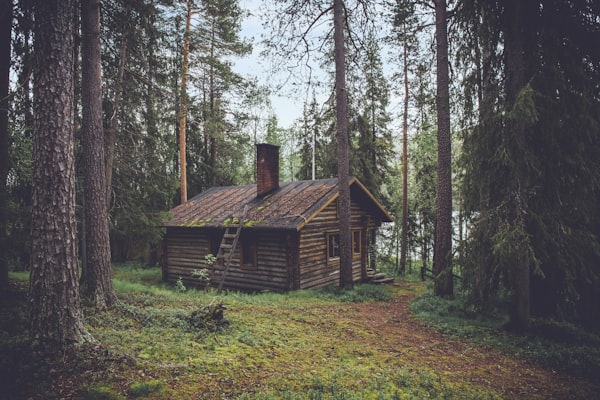
Eco cabins are an excellent choice for those seeking affordable and sustainable living. These cabins are designed with eco-friendly materials and construction methods, ensuring minimal environmental impact. From solar panels for energy efficiency to rainwater harvesting systems, eco cabins combine modern comforts with a commitment to preserving the planet.
Shipping Containers:
Shipping containers have gained popularity as versatile and stylish tiny homes. With their modular design, these containers can be customized to create beautiful living spaces that meet individual needs. From sleek and modern designs to rustic and industrial aesthetics, shipping container conversions offer endless possibilities for creativity and functionality.
Houseboats:
For those seeking a unique and adventurous lifestyle, houseboats provide an exciting option. These floating homes allow you to live on the water, embracing the tranquility of nature while enjoying the comforts of home. With stunning views, the freedom to explore different locations, and a close connection to the water, houseboat living offers endless possibilities for relaxation and adventure.
Bus and Van Conversions:
If mobility is a priority, bus and van conversions offer the freedom to travel and explore without sacrificing the comfort and convenience of a home. These converted vehicles can be customized with clever space-saving features, allowing you to maximize every inch of your living area. Whether you’re embarking on a road trip or embracing a nomadic lifestyle, bus and van conversions provide a mobile home that is both practical and stylish.
These examples showcase the creativity and diversity within the tiny house movement in the UK. Whether you prefer the simplicity of an eco cabin, the modern aesthetics of a shipping container home, the adventurous allure of a houseboat, or the mobility of a bus or van conversion, there is a tiny home option that can fulfill your dreams of living a unique and sustainable lifestyle.
Conclusion
The tiny house movement in the UK is a response to the housing crisis and a desire for a simpler, more sustainable way of life. With the rising cost of traditional housing and an increasing awareness of the environmental impact of excessive consumption, tiny homes offer an alternative that is both affordable and eco-friendly. By embracing compact living, individuals can enjoy financial freedom, reduce their carbon footprint, and forge a stronger connection with nature.
Living in a tiny house allows individuals to customise their living spaces and minimise their possessions, promoting a minimalist lifestyle. It challenges the notion that bigger is always better and encourages people to focus on what truly matters. With a variety of tiny home options available, from repurposed shipping containers to caravans and yurts, there is something to suit every taste and budget.
The tiny house movement is not just a passing trend; it is a way of redefining the concept of home and living more consciously. It offers a solution to the ongoing housing crisis in the UK by providing affordable housing options that are within reach for many. Furthermore, tiny houses promote sustainable living practices, such as using solar power and rainwater harvesting, which contribute to a greener and more environmentally friendly lifestyle.
In a world where consumption and materialism are rampant, the tiny house movement UK offers an alternative path towards a more fulfilling and meaningful life. It allows individuals to break free from the trappings of excessive possessions and focus on experiences and relationships. By embracing the principles of the tiny house movement, one can create a home that reflects their values and priorities, all while making a positive impact on the environment and their finances.