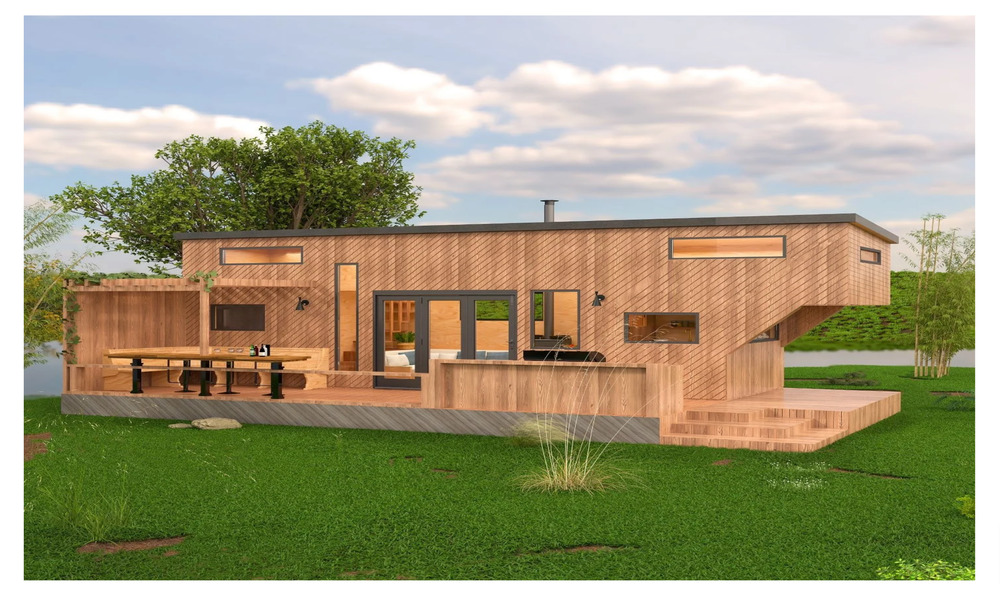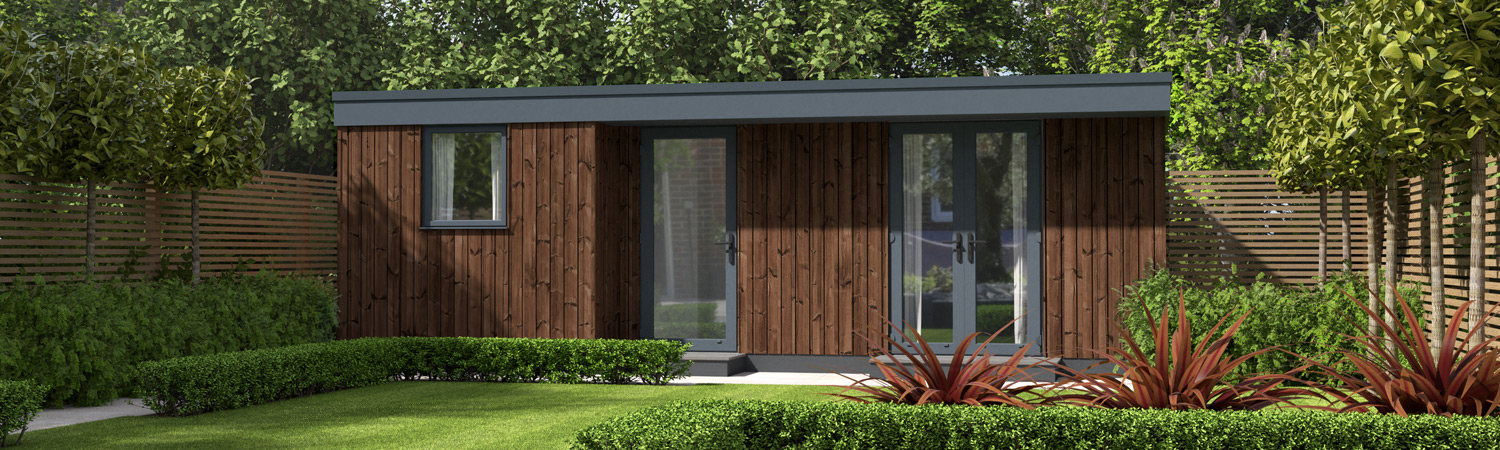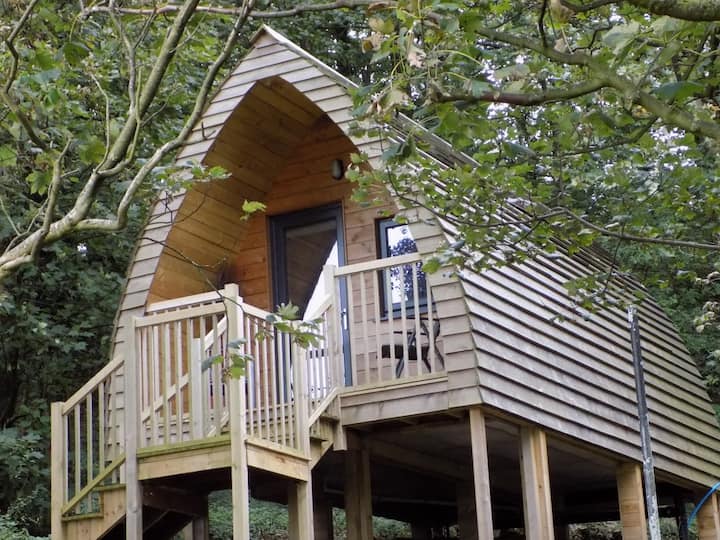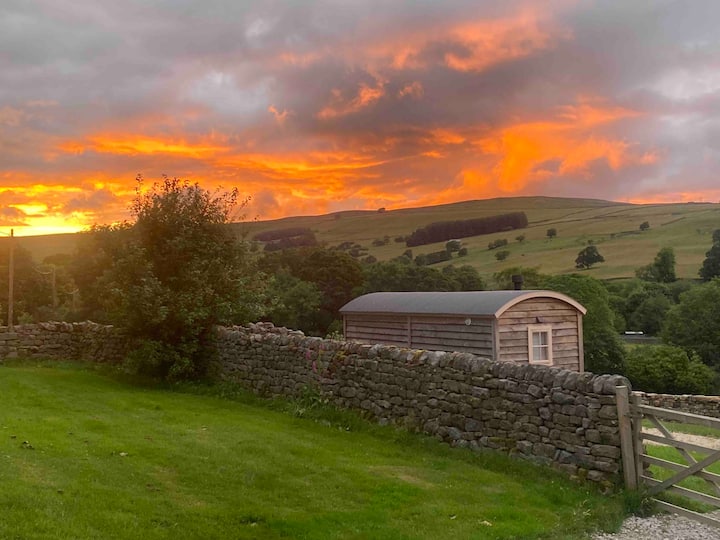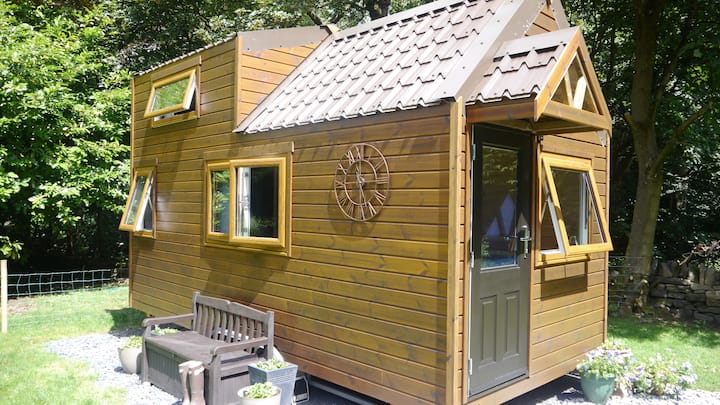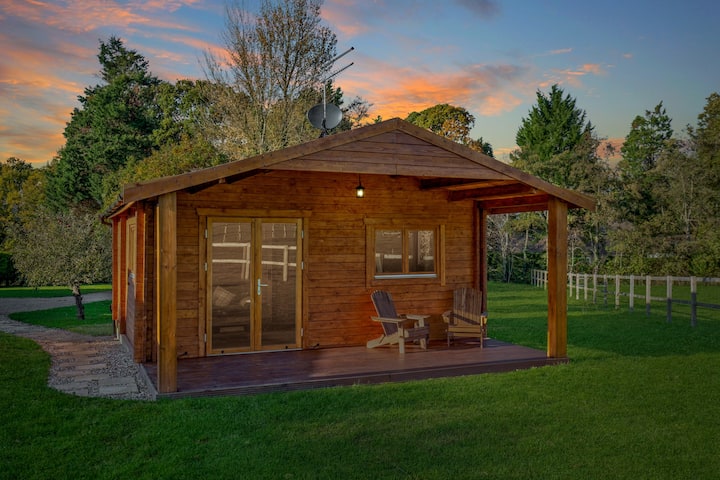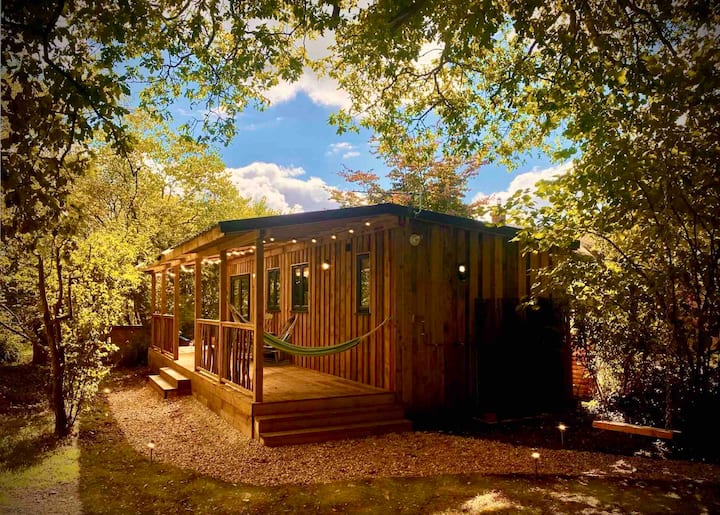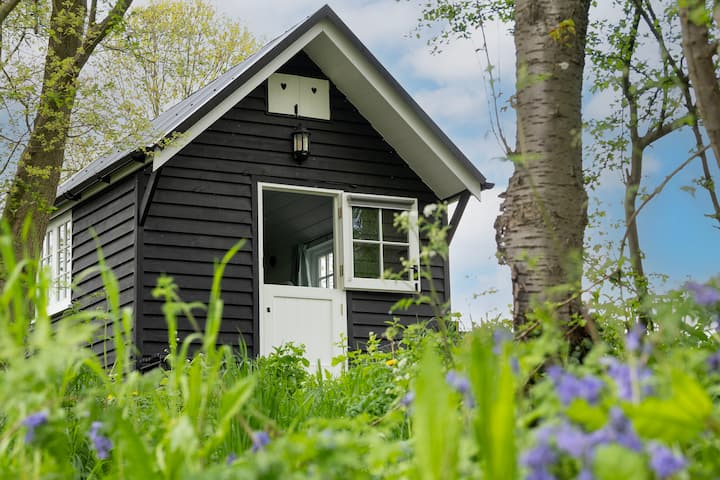
Did you know that there has been a significant increase in the number of households in the UK living in caravans or mobile structures? According to the Office of National Statistics, this trend is driven by the rising popularity of large tiny homes, offering an affordable and compact living solution in the face of the housing crisis and soaring rents.
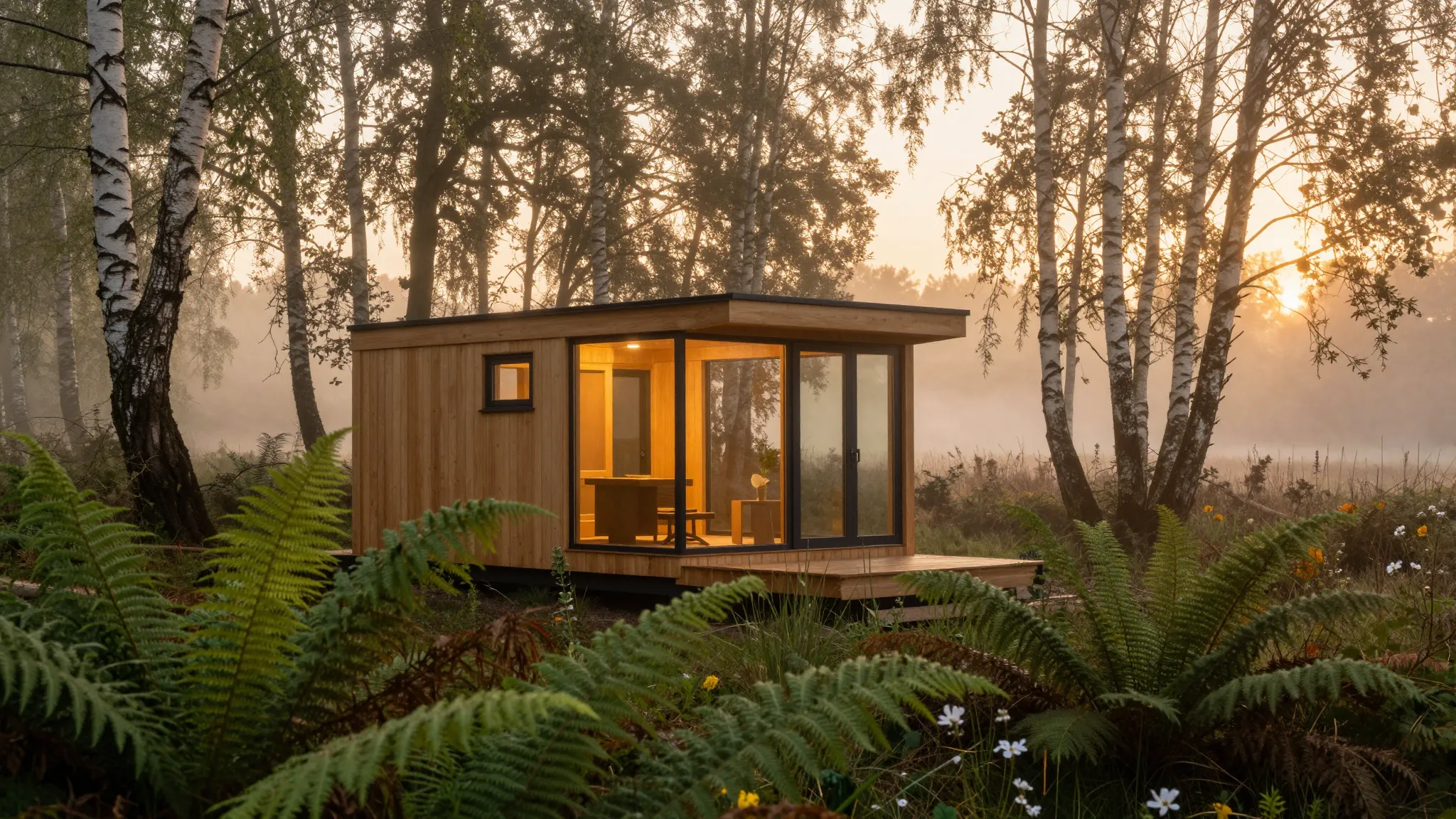
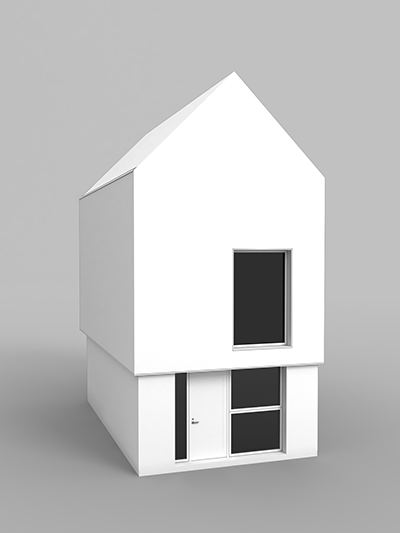
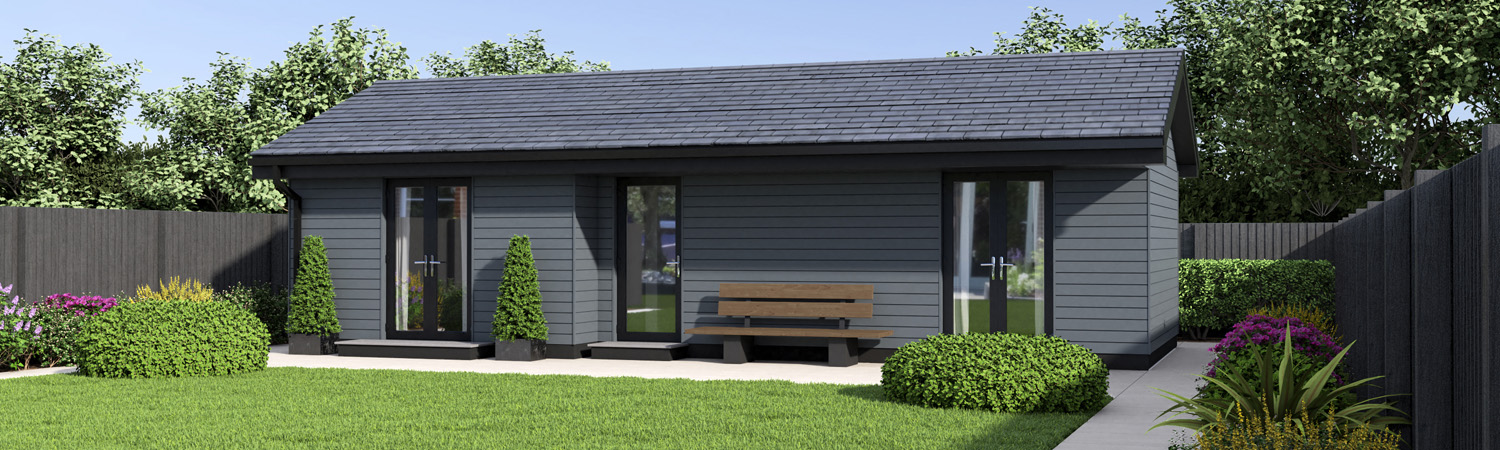
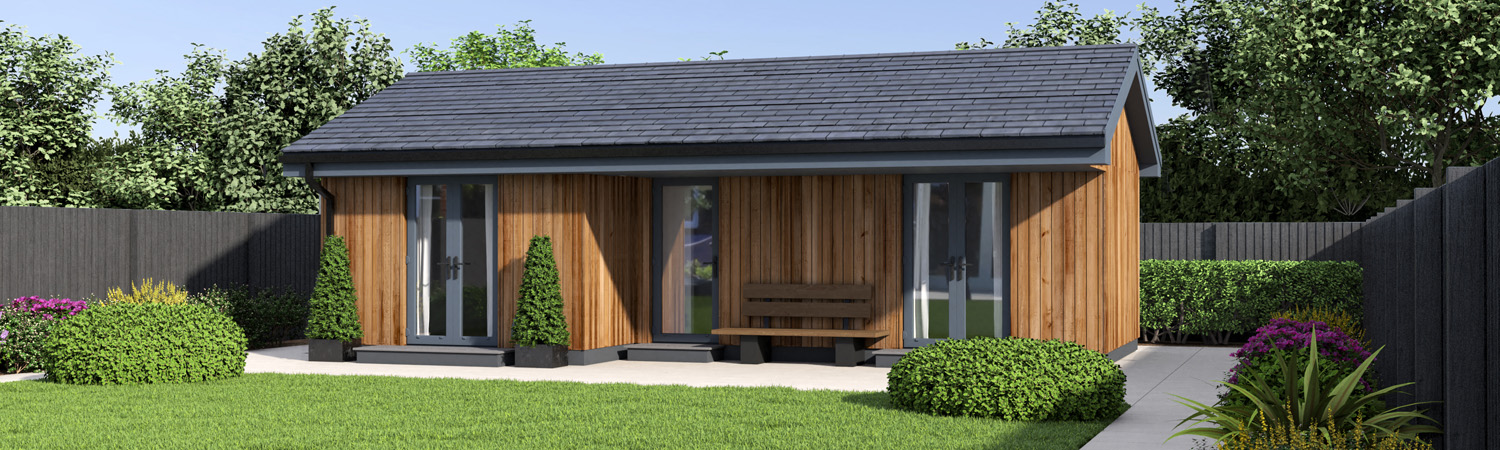
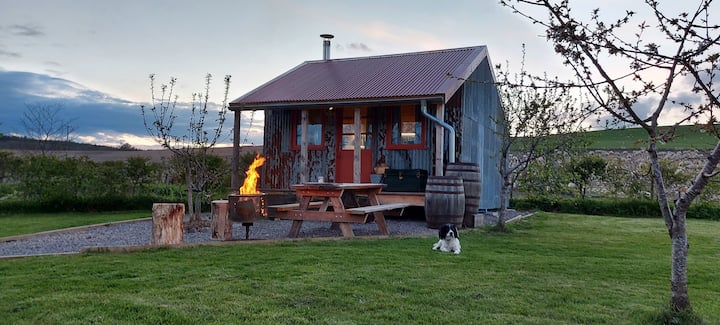
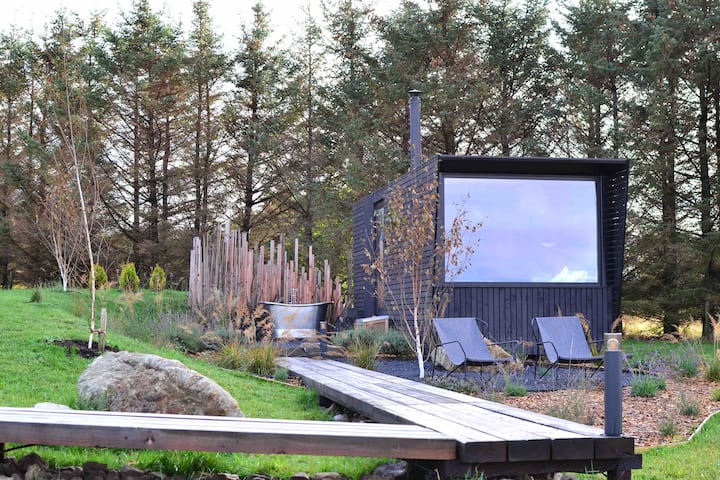
Large tiny homes, also known as micro homes, are factory-built and designed to be mobile. Resembling backwoods cabins, these spacious small dwellings are not only enjoyed by those living in vans or seeking a minimalist lifestyle, but they are also a solution for individuals struggling with rising interest rates and the high cost of traditional housing options.
With startup companies now offering large tiny homes with prices ranging from £30,000 to £100,000, depending on customization and finish, more people in the UK are embracing the tiny house movement as an alternative and affordable housing option.
Key Takeaways:
- Large tiny homes over 500 square feet are gaining popularity in the UK as an affordable and compact living solution.
- They offer a mobile and customizable alternative to traditional housing options.
- The rise of large tiny homes is a response to the housing crisis and soaring rents in the UK.
- Startup companies are now offering large tiny homes with prices starting from £30,000.
- The popularity of large tiny homes is expected to continue to grow as more people seek out alternative and affordable housing options.
The Advantages and Challenges of Tiny House Living
Living in a tiny house offers numerous advantages for those looking to simplify their lifestyle. One of the greatest benefits is the ability to customise the design and layout of the house to suit individual needs and preferences. From choosing the materials and finishes to deciding on the floor plan, every aspect can be tailored to create a unique and personal space.
Not only are tiny houses highly customisable, but they are also more affordable compared to traditional homes. The smaller size means lower construction and maintenance costs. Additionally, these compact dwellings require less cleaning and upkeep, freeing up more time for leisure and enjoying life.
Another advantage of tiny house living is the smaller ecological footprint it leaves behind. These homes generally require less energy to heat and cool, resulting in reduced utility bills. Moreover, their compact size encourages a more sustainable and self-sufficient lifestyle, with homeowners often embracing energy-efficient appliances and adopting eco-friendly practices.
Nevertheless, living in a tiny house is not without its challenges. Adapting to limited space can be a significant adjustment, requiring innovative storage solutions and creative use of every inch. However, with careful planning and organisation, it is possible to make the most of the available area and create a functional and comfortable living environment.
Zoning laws can pose another challenge for tiny house dwellers. As these homes often fall into an ambiguous planning category, navigating the legal landscape can be complicated. While some local authorities require planning permission for tiny houses, others classify them as static caravans, creating uncertainty for homeowners. It is important to research and understand the regulations and requirements specific to the chosen location.

The Tiny House Movement: A Social and Architectural Revolution
The tiny house movement is not just about living in small spaces, but also a social and architectural revolution. Living simply, consuming less, and being more connected to nature are core values of this movement. Tiny homes are defined as architecturally relevant houses under 400 square feet, built off-site and not connected to the ground with foundations. They are designed to be movable, offering flexibility and the ability to connect with nature. The tiny house movement challenges traditional notions of housing and encourages people to reevaluate their priorities and live more intentionally. It is a way to escape the cycle of consumerism and find fulfillment in a minimalist lifestyle.

Exploring Tiny Homes Around the World
The tiny house movement is not limited to the UK; it is a global phenomenon. People from all over the world are embracing the concept of tiny homes as a solution to the housing crisis and a way to live more sustainably.
- United States: In the United States, the tiny house movement gained popularity during the recession as an affordable and environmentally friendly housing option. Tiny homes are seen as a way to downsize and simplify life, allowing individuals and families to live with fewer possessions and reduce their ecological footprint.
- Australia: Australia has also embraced the tiny house movement, with many people opting for small, self-sufficient homes to live a more minimalist lifestyle. These tiny homes are often built with eco-friendly materials and designed to be energy-efficient.
- Canada: In Canada, tiny homes have become a popular choice for those looking to simplify their lives and reduce housing costs. The compact design and small footprint of these homes make them an ideal option for urban areas with limited space.
- France: The tiny house movement in France is driven by a desire for affordable and sustainable housing. Many people choose to build their own tiny homes using recycled materials, creating unique and personalized spaces.

These are just a few examples of countries that have embraced tiny homes. Each country has its own unique challenges and regulations when it comes to building and living in tiny homes. Despite these variations, the fundamental principles of compact living and sustainable design are at the core of the movement worldwide.
The Cost and Affordability of Tiny Home Living
While small space living has gained popularity for its affordability, the costs of tiny homes can vary depending on location and customization. In the United Kingdom, the national average cost of a micro home is approximately £52,000. This price tag is significantly lower than the average cost of a traditional home, making micro homes an attractive option for those seeking an affordable and minimalist lifestyle.
However, buyers should note that the cost per square foot for micro homes is higher compared to traditional homes, with prices being 62% higher. This increase accounts for the specialized design and compact features of micro homes. Additionally, zoning laws and utility hookups can also impact the overall cost of building and maintaining a micro home.
Despite these challenges, the demand for micro homes remains strong as more individuals embrace small space living and the minimalist lifestyle. The appeal of affordable housing options coupled with the opportunity for a simpler and more sustainable way of life continues to drive interest in micro homes.

The Benefits of Small Space Living
- Lower upfront costs compared to traditional homes
- Reduced utility bills and maintenance expenses
- Opportunity to live a more minimalist and clutter-free life
- Increased focus on sustainable and eco-friendly living
- Greater mobility and flexibility with the ability to relocate
Despite the initial investment and potential challenges, the benefits of small space living in a micro home outweigh the drawbacks for many individuals. The growing popularity of micro homes reflects a shift in housing preferences and a desire for a more affordable and intentional way of life. As the minimalist lifestyle continues to gain traction, micro homes are poised to play a significant role in the future of housing.
Conclusion
The tiny house movement represents a paradigm shift in our perception of housing and living spaces. As the cost of traditional homes continues to rise, and more people seek a sustainable and minimalist lifestyle, tiny homes offer a viable alternative. Despite challenges related to zoning laws and costs, the benefits of compact living and customization far outweigh the drawbacks for many individuals and families.
The growing popularity of large tiny houses over 500 square feet is a testament to the increasing interest in this unique way of life. By embracing small space living, micro homes, and compact living, people are redefining their priorities and finding contentment in simplicity. The tiny house movement is not just a housing solution but a transformative social and architectural revolution.
As more individuals and families adopt the concept of tiny house living, the movement is expected to continue evolving and shape the future of housing. With the ability to customise and utilise every inch of space efficiently, tiny homes contribute to a more sustainable and self-sufficient way of life. The large tiny house trend demonstrates that people are no longer confined to limited square footage and can design innovative and spacious dwellings suited to their needs.
Whether it’s about affordability, sustainability, or the desire to live with only what is necessary, the advantages of tiny house living are evident. As the tiny house movement gains momentum, it is inspiring a new generation of homeowners to question conventions and seek new possibilities for comfortable and fulfilling living experiences in our ever-changing world.
Join The Discussion