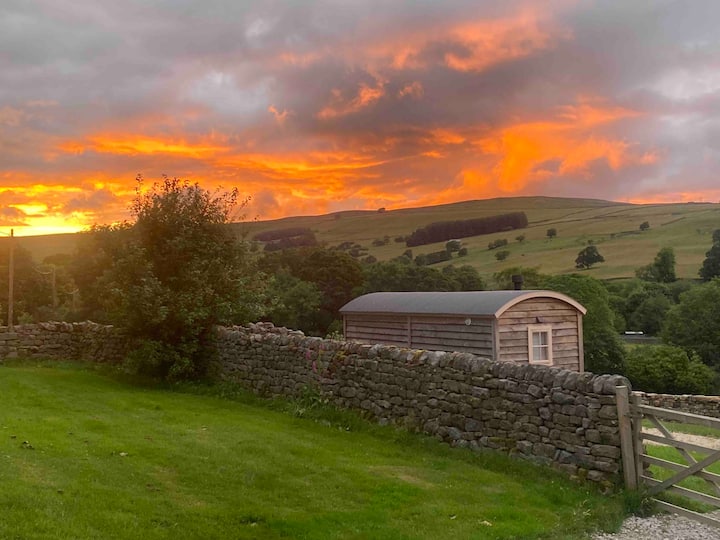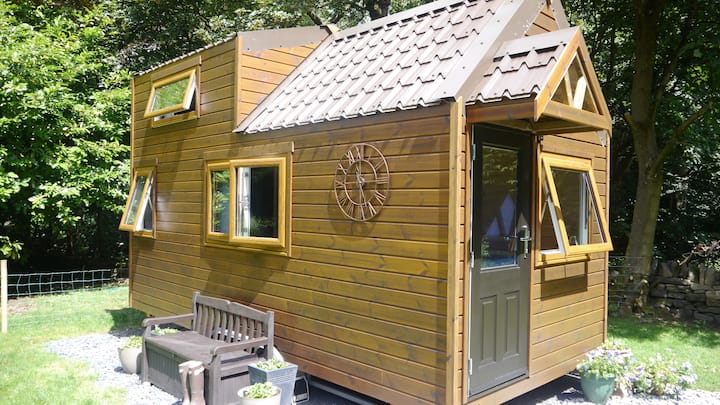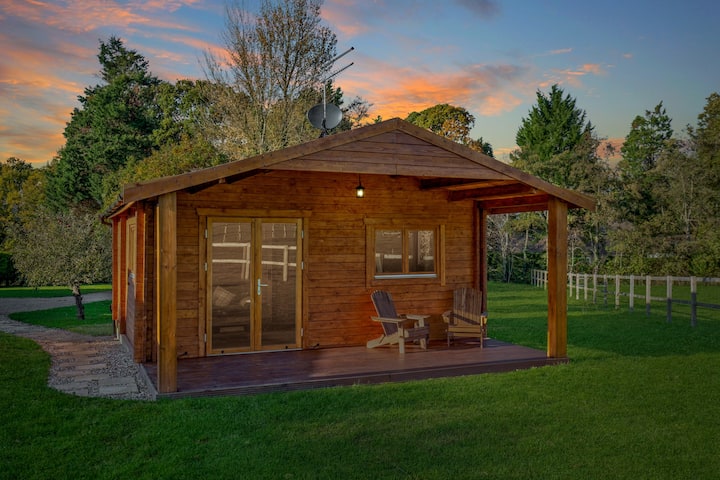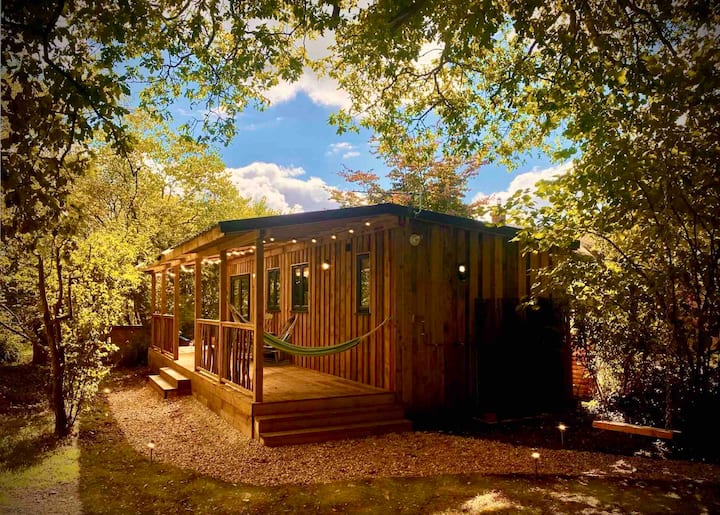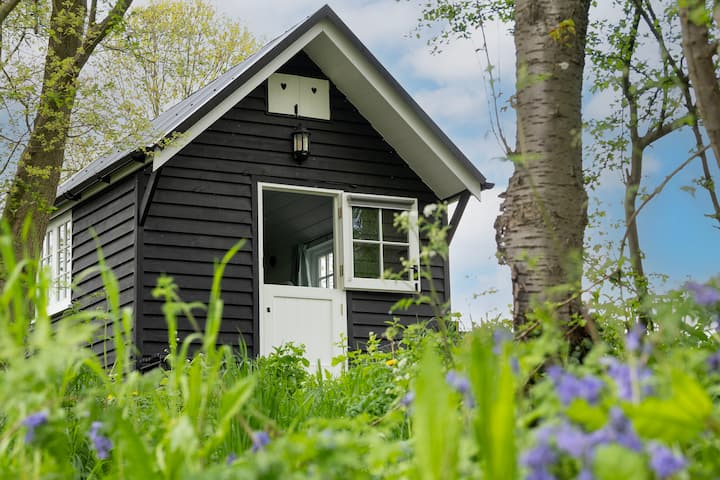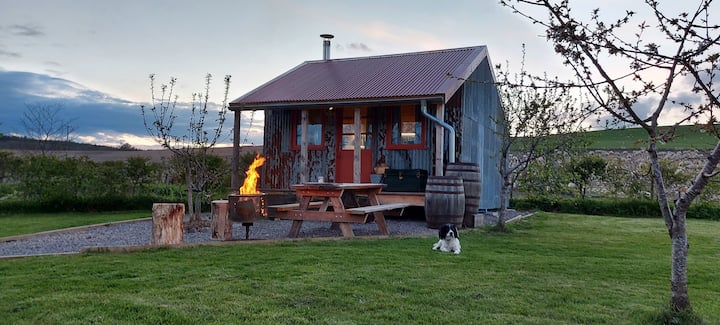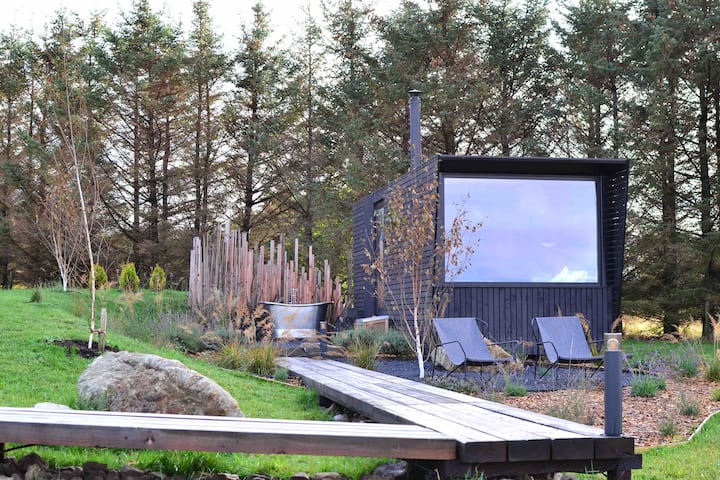
Explore Tiny House Malaysia Living Trends

tiny house malaysia

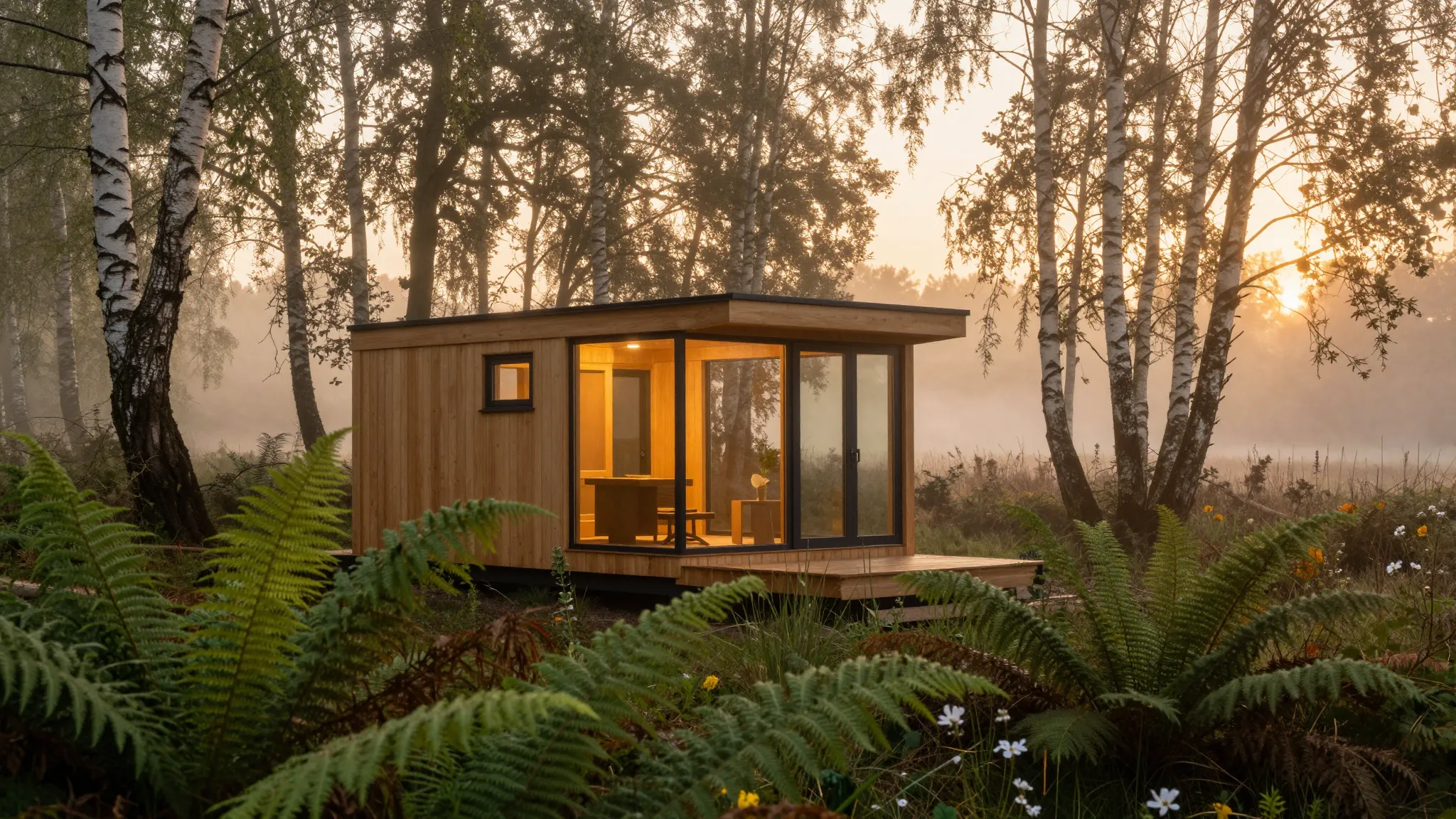
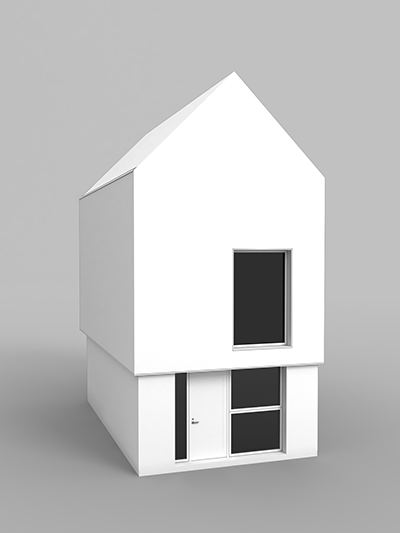
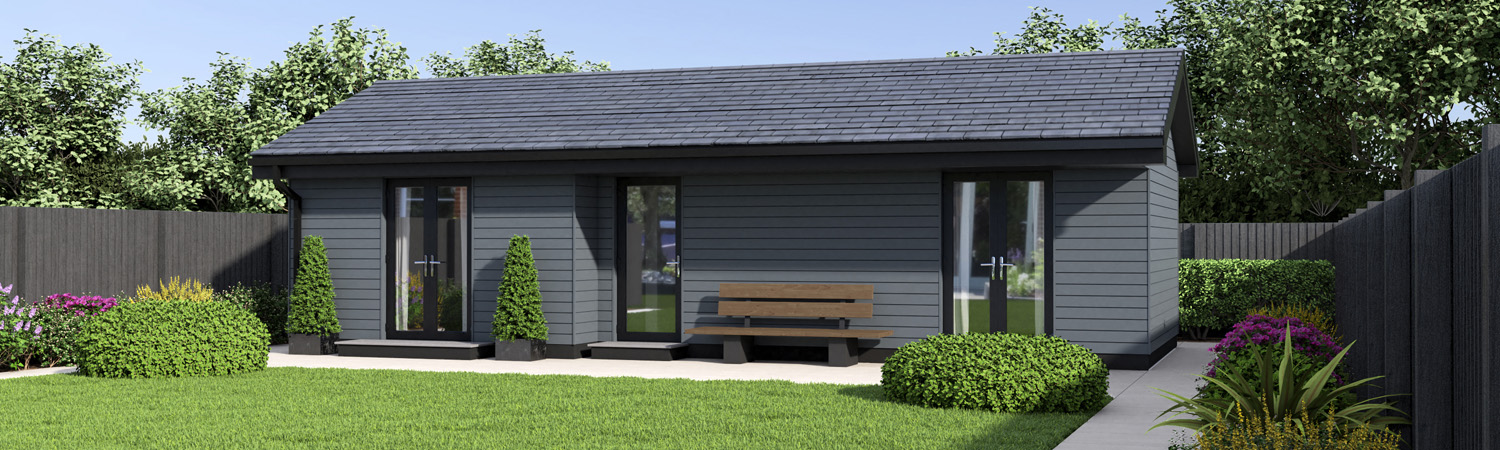
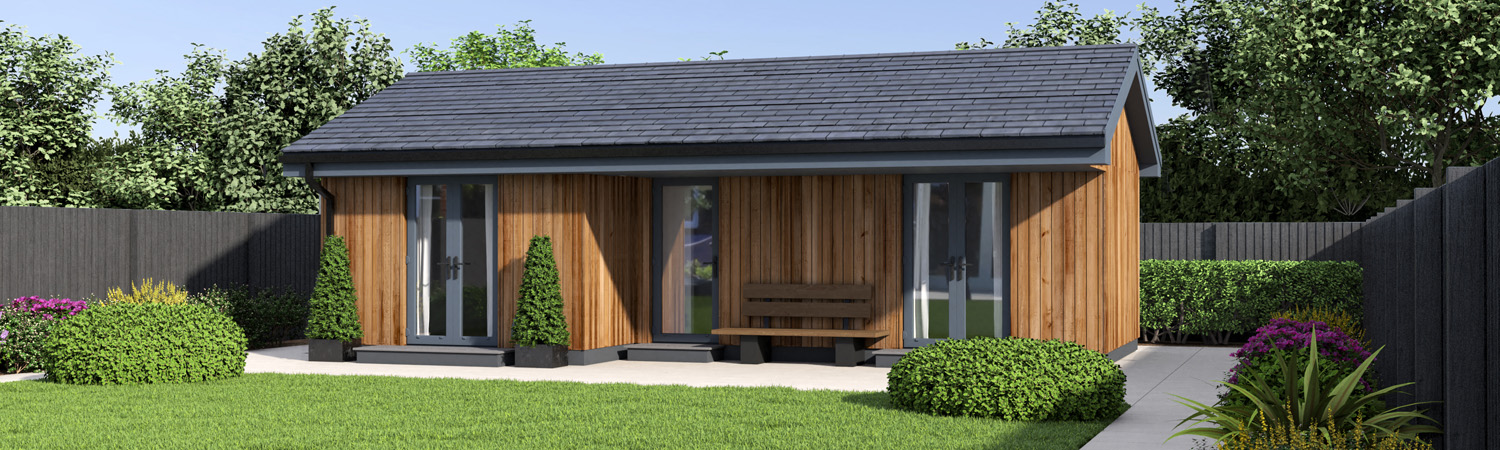
Did you know that tiny houses have gained immense popularity in Malaysia? These compact living spaces, ranging from 100 to 400 square feet, are revolutionizing the way Malaysians think about homeownership. With their focus on functionality, resource efficiency, and affordability, tiny houses offer a unique solution to the challenges of limited space and rising housing costs in Malaysia.

Key Takeaways

  • Tiny houses are gaining popularity in Malaysia due to their affordability, eco-friendliness, and ability to incorporate local designs and styles.
  • These compact homes promote sustainable living by using eco-friendly materials and encouraging resource efficiency.
  • Customization and personalization options allow Malaysians to create stylish and comfortable living spaces in spite of the small size.
  • Innovative design solutions maximize space and functionality, making tiny houses a practical housing option.
  • The tiny house trend in Malaysia represents a shift towards a simpler and more mindful way of living.

Affordability and Accessibility of Tiny Houses in Malaysia

Tiny homes are becoming popular in Malaysia due to their affordability, especially in busy cities where regular houses can be expensive. Building and maintaining tiny homes cost less money, making it easier for people to own a home without spending too much. The compact size of tiny houses also allows for accessibility in densely populated urban areas with limited real estate.

affordable tiny houses Malaysia

Affordability

The affordability of tiny houses in Malaysia is a key factor contributing to their growing popularity. Compared to traditional houses, the cost of building and maintaining a tiny home is significantly lower. This makes tiny houses an attractive option for individuals or couples looking to own a home without incurring a hefty financial burden. With the lower cost, homeowners can allocate their financial resources towards other priorities such as education, travel, or savings.

Accessibility

The compact size of tiny houses makes them highly accessible in densely populated urban areas with limited available space. In busy cities like Kuala Lumpur, where real estate prices are high, tiny houses provide a practical solution for individuals who want to live within the city center. The small footprint of these homes enables them to be built on smaller plots of land or even on rooftops, maximising the use of space in crowded environments. This accessibility allows individuals to live in desirable locations, close to amenities and employment opportunities, without the financial strain of traditional housing options.

Whether it’s for financial reasons or the desire for urban living, the affordability and accessibility of tiny houses in Malaysia make them an attractive choice for individuals looking for an alternative to traditional homes.

Sustainable Living in Tiny Houses Malaysia

As Malaysians become increasingly concerned about the environment, the concept of sustainable living has gained traction. Tiny houses in Malaysia are an excellent embodiment of this commitment to sustainability.

These compact homes prioritize the use of eco-friendly materials, ensuring a reduced carbon footprint and a healthier living environment. By utilizing sustainable housing practices, tiny homes play a crucial role in preserving the planet for future generations.

One of the key advantages of tiny houses is their ability to promote energy efficiency. With their smaller size, these homes consume significantly less energy compared to traditional houses. Innovative design features like efficient insulation, natural ventilation, and smart lighting systems contribute to energy conservation, reducing fuel consumption and utility bills.

Living in a tiny house encourages individuals to adopt a more conscious and sustainable lifestyle. The limited living space necessitates a minimalist approach, encouraging residents to prioritize their consumption and minimize waste. The small living area encourages fewer resources to be utilized, paving the way for a greener and more sustainable way of living.

eco-friendly living Malaysia

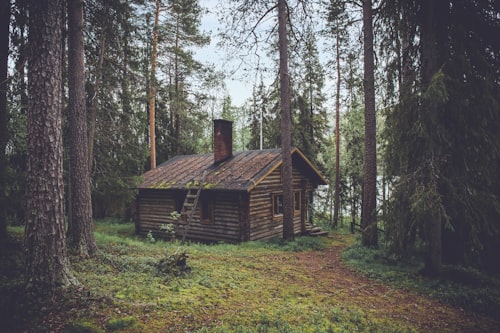
This image showcases the essence of eco-friendly living in Malaysia, where tiny houses serve as sustainable housing solutions that harmonize with the natural environment.

Customization and Personalization of Tiny Houses in Malaysia

Tiny homes in Malaysia provide incredible opportunities for individuals to personalize their living space. Despite the small size, Malaysians are finding creative ways to add their personal touch, resulting in unique and stylish homes that reflect their individual tastes and preferences.

One of the key features of tiny houses is the emphasis on smart storage solutions. Malaysians have ingeniously utilized every nook and cranny to maximize storage space. From built-in cabinets and shelves to multipurpose furniture, the interior of a tiny house can be customized to ensure that every item has a designated place. This allows residents to keep their homes tidy and organized.

Moreover, Malaysians have embraced the concept of minimalist living in their tiny homes. By carefully selecting furniture and decor pieces, they create a soothing and clutter-free environment. Choosing neutral colors, clean lines, and natural textures further enhances the minimalist aesthetic.

In addition to storage optimization and minimalist design, Malaysian tiny homeowners showcase their creativity through unique and innovative designs. They often incorporate local craftsmanship and cultural elements into their homes, adding a touch of tradition and identity. From traditional patterns in tiles and fabrics to traditional architectural features, every detail highlights the owner’s heritage and passion for their culture.

Despite the challenge of limited space, the interior of a tiny house can still be a cozy and inviting retreat. Malaysians embrace the concept of hygge, incorporating warm lighting, soft textiles, and comfortable seating areas to create a relaxing atmosphere. This is achieved by carefully selecting furniture and decor pieces that prioritize comfort and functionality.

For those with a green thumb, tiny houses in Malaysia offer creative solutions for gardening. Vertical gardens, hanging herb planters, and window boxes allow residents to enjoy fresh herbs and plants even in limited space. These miniature gardens not only add beauty to the tiny home but also contribute to a healthier living environment.

tiny house malaysia

Innovation in Design and Construction of Tiny Houses in Malaysia

Architects and builders in Malaysia are embracing innovation to maximize space and functionality in tiny homes. These innovative approaches ensure that every inch of space is utilized efficiently, creating comfortable and functional living spaces for residents.

One of the creative design solutions employed in tiny houses is the use of lofted sleeping areas. By elevating the bed, architects free up valuable floor space, allowing for the incorporation of other essential elements such as a living area or workspace. This clever utilization of vertical space maximizes the overall functionality of the tiny home.

micro homes Malaysia

Another innovative feature of tiny houses is the integration of convertible furniture. In these compact living spaces, every piece of furniture serves multiple purposes to save space. For example, a simple sofa can be transformed into a bed, or a dining table can be folded and tucked away when not in use. These versatile pieces of furniture enable residents to adapt their living spaces to their changing needs.

Sliding walls

Sliding walls are an ingenious design solution that allows residents to reconfigure their tiny homes according to their preferences. By using sliding walls, different areas of the house can be connected or separated, creating flexible living spaces that can be adapted to different activities. For instance, a sliding wall can be used to divide a living area from a bedroom or to open up the space for larger gatherings.

Overall, the combination of lofted sleeping areas, convertible furniture, and sliding walls exemplifies the innovative design and construction techniques implemented in tiny houses in Malaysia. These solutions not only maximize the use of space but also enhance the functionality and versatility of these micro homes. By integrating such innovations, architects and builders are reshaping the way Malaysians perceive and utilize small living spaces.

Conclusion

The tiny house trend in Malaysia demonstrates a remarkable shift in the way Malaysians perceive and approach the concept of home ownership. By embracing affordability, sustainability, and local culture, Malaysians are redefining what it means to have a home. Tiny homes provide a glimpse into a future where houses are smaller, more eco-friendly, and more interconnected. As the popularity of tiny houses continues to soar, Malaysians are embracing a simplified and conscious way of living.

The appeal of tiny houses lies in their ability to offer affordable and accessible housing options in Malaysia’s bustling cities. With rising property prices, tiny homes provide a viable and cost-effective solution without compromising on comfort. These compact residences are designed to maximize space, ensuring that every square foot serves a purpose, and enabling people to live comfortably even in limited areas.

Beyond affordability, tiny houses in Malaysia embody sustainability. Malaysians are increasingly concerned about their environmental impact, and tiny homes align with their commitment to promote eco-friendly living. These homes use environmentally-friendly materials and emphasize energy efficiency, allowing inhabitants to adopt a more sustainable lifestyle. By opting for smaller living spaces, Malaysians have the opportunity to reduce their resource consumption and contribute to a greener future.

Additionally, the customization and personalization potential of tiny houses in Malaysia cannot be overlooked. Despite their petite size, these homes provide ample opportunities for individuals to infuse their personal touch. Malaysians are adept at incorporating smart storage solutions and distinctive designs, creating comfortable and stylish living spaces that reflect their individual tastes and preferences.

Innovative design and construction techniques are also driving the tiny house movement in Malaysia. Architects and builders are pushing boundaries to maximize functionality and optimize space utilization within these tiny dwellings. Lofted sleeping areas, convertible furniture, and sliding walls are just a few examples of the ingenious design elements employed to ensure every inch is put to use, delivering residents a comfortable and functional living experience.

In conclusion, tiny house living in Malaysia offers a glimpse into the future of home ownership. Malaysians are embracing a mindset that values affordability, sustainability, and personalization. With their smaller footprint, these homes promote an environmentally-conscious lifestyle while providing practical and comfortable spaces for residents. The tiny house movement shows promise in reshaping the way Malaysians think about housing, emphasizing the importance of mindful living and contributing to a more sustainable and connected society.

FAQ

What are tiny houses?

Tiny houses, also known as micro-apartments or micro homes, are compact living spaces designed for a single person or a couple. They range from 100 to 400 square feet and prioritize functionality and resource efficiency.

Why are tiny homes becoming popular in Malaysia?

Tiny homes are becoming popular in Malaysia due to their affordability, especially in busy cities where regular houses can be expensive. Building and maintaining tiny homes cost less money, making it easier for people to own a home without spending too much. The compact size of tiny houses also allows for accessibility in densely populated urban areas with limited real estate.

How do tiny homes align with sustainability in Malaysia?

Malaysians are increasingly concerned about the environment, and tiny homes align with their commitment to sustainability. These houses use eco-friendly materials and promote energy efficiency, helping residents reduce their impact on the planet. Living in tiny homes encourages the use of fewer resources and fosters a more sustainable lifestyle.

Can Malaysians personalize their tiny homes?

Yes, tiny homes in Malaysia provide opportunities for individuals to personalize their living space. Despite the small size, Malaysians find creative ways to add their personal touch through smart storage solutions and unique designs. They can create comfortable and stylish living spaces that reflect their individual tastes and preferences.

What innovative design features can be found in tiny homes in Malaysia?

Architects and builders in Malaysia are adopting innovative approaches to maximize space and functionality in tiny homes. Lofted sleeping areas, convertible furniture, and sliding walls are just a few examples of creative design solutions. These innovations ensure that every inch of space is utilized efficiently, providing residents with comfortable and functional living spaces.

What does the tiny house trend in Malaysia represent?

The tiny house trend in Malaysia showcases a shift in the way Malaysians think about homes. By combining affordability, sustainability, and local culture, Malaysians are redefining the concept of home ownership. Tiny homes offer a glimpse into a future where homes are smaller, more sustainable, and more connected. As the popularity of tiny houses continues to grow, Malaysians are embracing a simplified and mindful way of living.

Source Links