

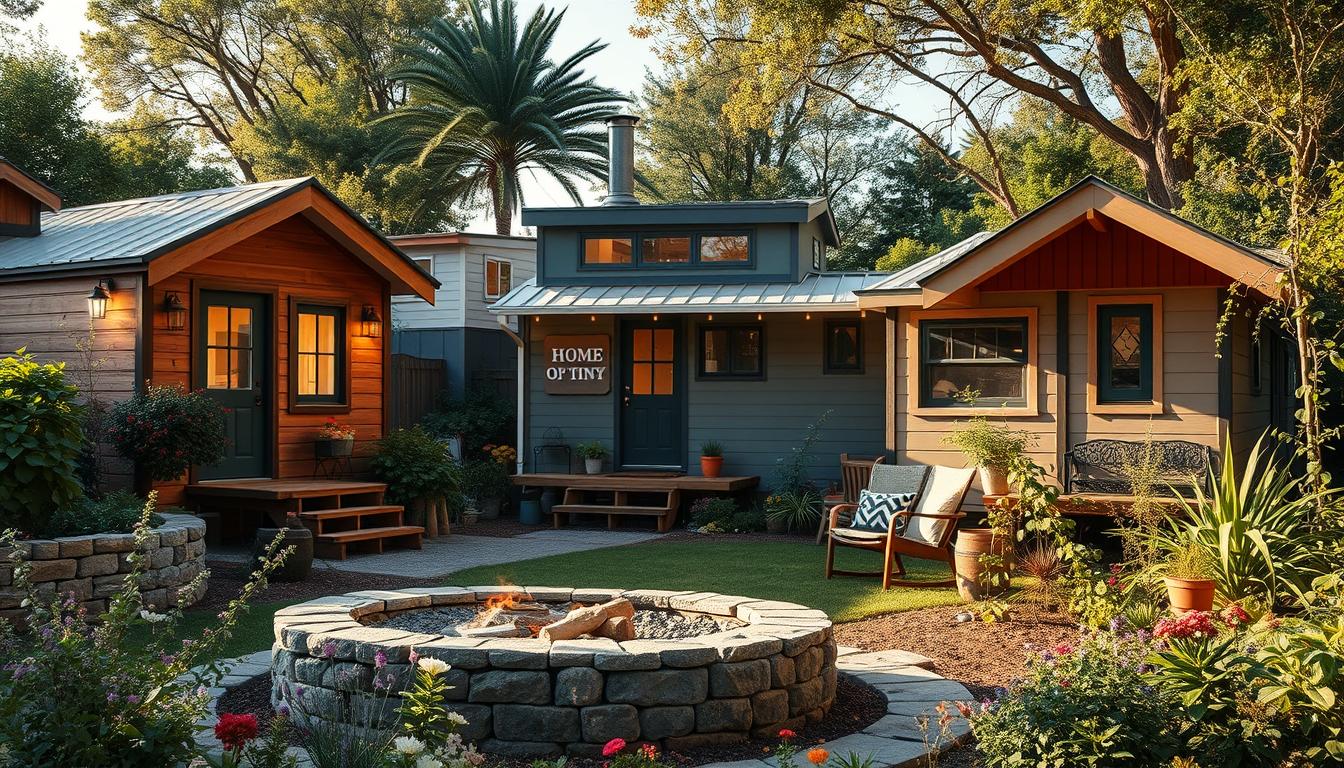
Did you know there are about 10,000 tiny houses in the U.S.? Tiny homes co living is gaining popularity, offering new ways to live together. This guide to co living shows how tiny house communities benefit everyone. We’ll look at the practical, design, and financial sides of tiny homes, making them more appealing.
Key Takeaways
- Tiny homes co living fosters a sense of community within shared spaces.
- Many tiny house communities provide cost-effective alternatives to traditional housing.
- Co living promotes sustainability through eco-friendly designs and practices.
- The tiny home movement encourages social interaction and strong neighbourhood ties.
- Understanding zoning and regulations is essential for successful tiny home ownership.
- Adaptable designs in tiny homes cater to both functionality and privacy needs.
- Shared living experiences can significantly enhance personal well-being and reduce expenses.
Understanding Tiny Homes Co Living
The idea of tiny homes co living is exciting for those who want simplicity and sustainability. A key question is: what are tiny homes? They are small, ranging from 200 to 400 square feet. They are designed to be minimal and efficient, focusing on what’s truly needed in life.
What Are Tiny Homes?
Tiny homes are a lifestyle choice for a more mindful living. They are small, which means lower living costs and fewer things to own. This appeals to those who want to live simply and sustainably. The cost of a tiny home varies but is usually between £25,000 to £75,000. Many people choose to build their own to save money.
These homes often have clever storage solutions. For example, stairs can also be used as cabinets. This makes it easy to store things in the limited space.
Benefits of Co Living
Co living has many benefits, including community and shared resources. Living in tiny houses together encourages socialising and a sense of belonging. It also supports sustainable living and can save money.
Sharing costs for utilities and maintenance can lead to financial savings. It also helps build strong relationships with neighbours. To learn more, check out the benefits of co living online.
How Tiny Homes Fit into Co Living
Tiny homes and co living share common goals. Their small size makes them ideal for co living, where many people can live together comfortably. This setup is good for the environment and creates a community where everyone supports each other.
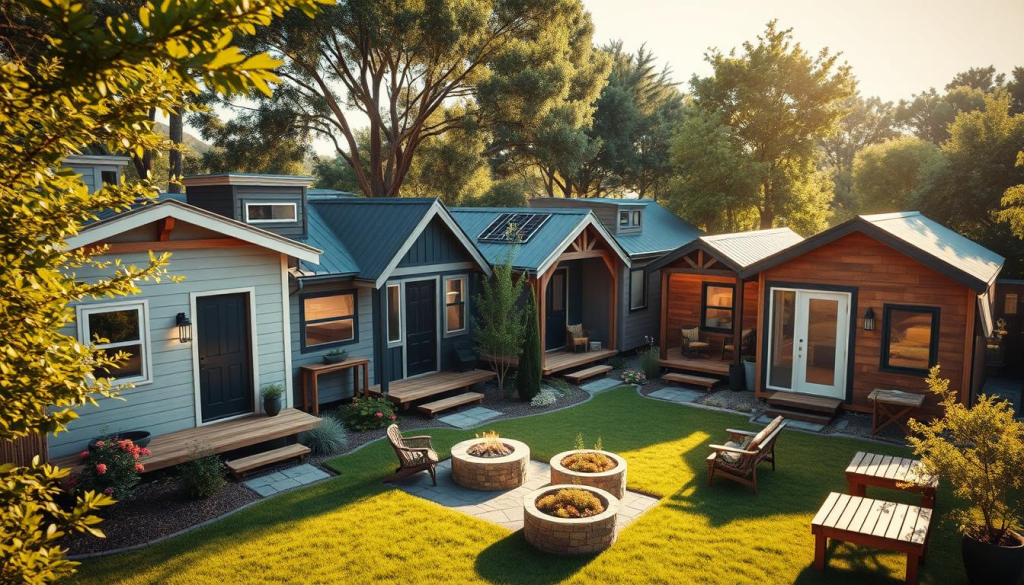
The Rise of the Co Living Concept
The co living concept is changing how we live, tackling modern issues and desires. It brings people together and makes living in smaller spaces practical. Looking at trends, it’s clear why many are choosing to live together.
Trends Influencing Tiny Homes
Several trends are pushing co living forward. Cities are expensive and crowded, leading people to seek cheaper options. The tiny home movement offers a sustainable lifestyle. Eco-friendly designs are becoming common, like in Tetuán, Madrid’s co-living project.
Advantages of Shared Living Spaces
Living together has many benefits beyond saving money. It helps people make friends and fight loneliness. Madrid’s Dozen Doors shows how shared areas like kitchens and terraces encourage community.
These spaces help people form strong bonds and friendships. Living together makes our lives better and builds a stronger community.
For more on this topic, check out this link.
Features of Tiny Homes in Co Living Spaces
Tiny homes are great for co living because of their unique features. They save space and support green living. This suits today’s lifestyle and community needs.
Space Efficiency
Space is key in tiny homes for co living. Every inch is used well with smart furniture and open layouts. This lets many things happen in a small area, bringing people together.
There are also clever storage spots. This keeps things tidy and makes life easier and more fun.
Sustainable Design
Green tiny house designs lead the tiny home trend. Many co living places focus on being eco-friendly. They use energy-saving tech and natural materials.
These homes aim to lessen harm to the environment. They match the goals of sustainable living. This encourages a green lifestyle among residents.
Customisable Living Areas
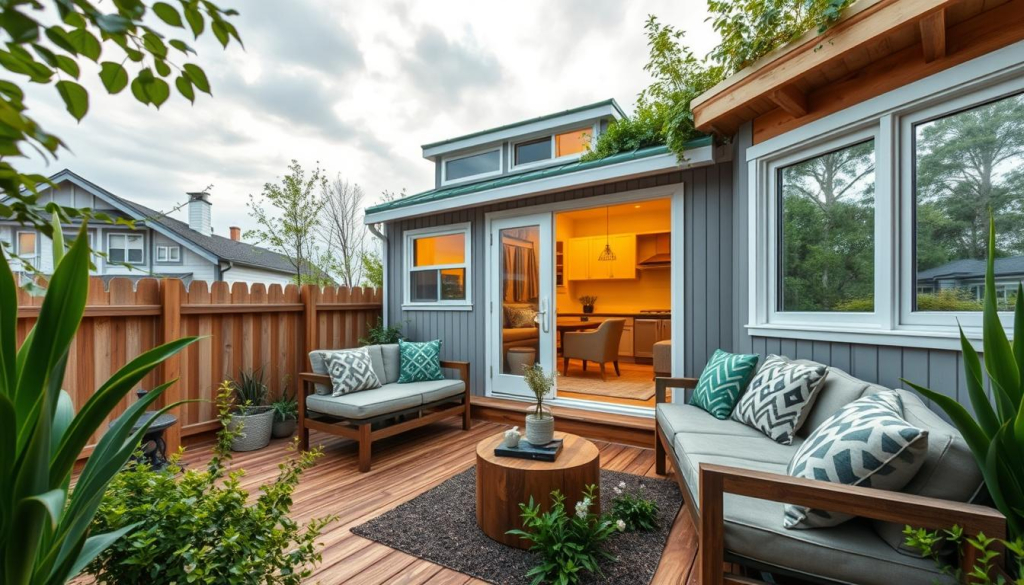
One big plus of tiny homes in co living is the chance to make spaces your own. People can decorate their areas to show their style. This makes the community diverse and welcoming.
Each tiny home is like a blank canvas. It adds to the community’s look and feel.
| Feature | Description |
|---|---|
| Space Efficiency | Utilisation of multifunctional furniture to maximise usability. |
| Sustainable Design | Energy-efficient systems and renewable materials reduce ecological footprints. |
| Customisable Living Areas | Personalisation fosters individuality while benefiting the community. |
For more on tiny home designs, check out custom solutions that boost co living benefits.
Financial Aspects of Tiny Homes Co Living
Exploring the financial side of tiny homes co living shows why they’re becoming more popular. They offer a cost-effective option compared to traditional homes. This makes them an attractive choice for many looking for affordable living.
Cost-Efficiency Compared to Traditional Homes
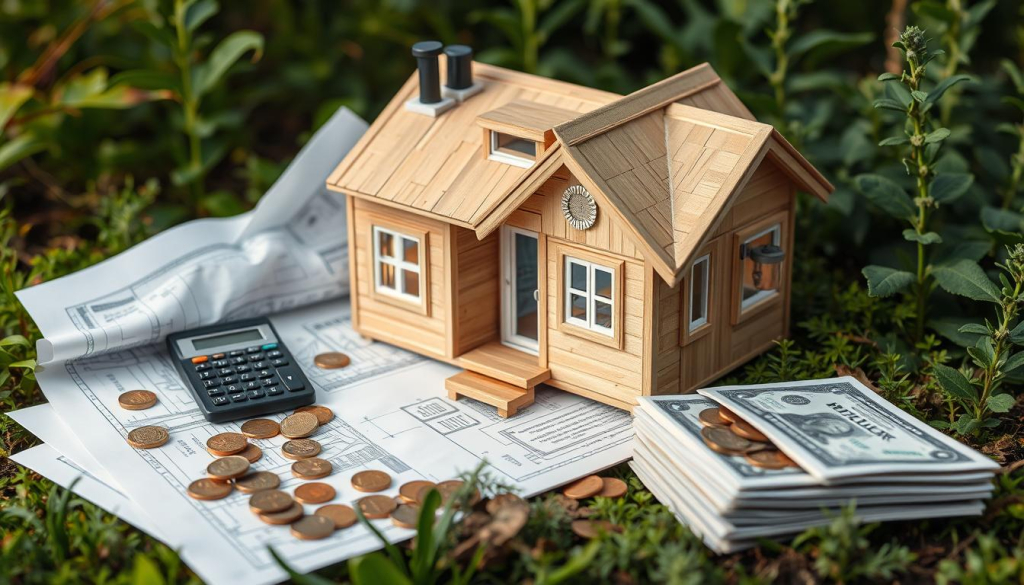
Tiny homes are much cheaper than regular houses. Prices start at £4,000 for simple models and go up to £180,000 for more complex designs. This is a big draw for those wanting to save money without giving up quality.
They also cost less to heat and cool because of their small size and smart design. This makes them a budget-friendly choice.
Shared Expenses and Savings
Living in tiny homes means sharing costs, which can save money. People can split bills for utilities and use shared spaces. This way, living together can be more affordable.
Investment Potential in Co Living
Investing in tiny homes is a smart move. They’re in high demand, especially in cities. The market is expected to grow by 4.88% from 2022 to 2027.
By investing in tiny homes, you can help solve the housing shortage. Plus, you can make money as they become more sought after.
| Financial Aspect | Tiny Homes | Traditional Homes |
|---|---|---|
| Average Cost | £4,000 – £180,000 | £150,000 – £500,000+ |
| Monthly Payment (15-year loan) | ~£444 (for a £60,000 loan) | Varies significantly |
| Ongoing Costs | Lower heating bills | Higher due to larger space |
| Investment Growth Rate | 4.88% expected growth | Varies based on location |
| Shared Utility Savings | Yes | No |
Legal Considerations for Tiny Homes Co Living
It’s important to know the laws around tiny homes co living if you’re thinking about it. The rules can change a lot from place to place. Knowing about tiny house laws and zoning is key for a good co living setup.
Zoning and Regulations
Local zoning laws affect where tiny home communities can go. Some places have changed their rules to welcome tiny homes. It’s important to know if they see tiny homes as regular houses or RVs.
- Denver, Colorado, allows tiny homes that meet required standards for light, ventilation, heating, and pest control.
- Jefferson County permits tiny houses without minimum size restrictions as long as building codes are followed.
- Boulder County requires a valid site plan review for tiny homes placed on permanent foundations.
Because of these different rules, it’s crucial to check local laws carefully. This helps avoid problems and ensures you follow the rules.
Lease Agreements in Shared Spaces
Having clear lease agreements is vital in co living. These agreements should cover money matters, duties, and rules for everyone. Good lease agreements help keep the peace and avoid confusion.
- Clearly outline rent contributions and payment timelines.
- Define communal responsibilities such as cleaning responsibilities and shared utilities.
- Include rules regarding guest access and noise levels to maintain community harmony.
For a tiny homes co living setup to work, clear and detailed agreements are essential. They make sure everyone knows their part and what to expect.
Community Dynamics in Co Living
Living in a co living space changes how people experience life together. In these shared homes, building relationships becomes easier. This leads to a stronger sense of belonging and support.
By joining in community events, people make lasting memories. These moments of togetherness make life in a tiny home community more enjoyable.
Building Relationships Among Residents
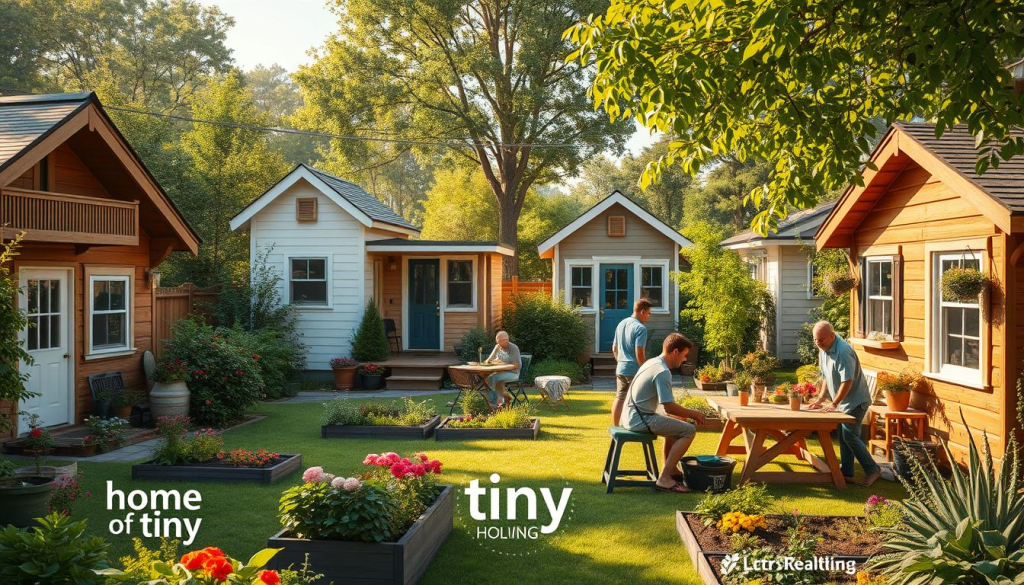
Co living spaces are built on the friendships that grow among residents. Activities like game nights or shared meals help build community spirit. They also create networks that help residents face daily challenges together.
These interactions are key to strengthening bonds. They help create a supportive environment for everyone.
Conflict Resolution Strategies
Conflicts can happen in any community. So, it’s important to have ways to solve them. Clear communication and set methods help tackle issues early on.
This approach keeps the living environment peaceful. It encourages open dialogue and teamwork in solving problems.
Organising Community Events
Hosting community events is crucial for building stronger bonds. Events like potluck dinners or gardening projects bring people together. They help deepen connections and make living in a tiny home more fulfilling.
Designing Tiny Homes for Co Living
Creating well-designed areas in tiny homes encourages community interaction while meeting individual needs. Thoughtful planning plays a crucial role in maximising space efficiency and enhancing everyday living.
Creating Functional Shared Spaces
Functional shared spaces are key in tiny homes for co living. Areas like kitchens and lounges help residents bond over meals or activities. Open floor plans and modular furniture make these spaces versatile for any event.
Incorporating Privacy in Design
Privacy is crucial in co living environments. Designing tiny homes should include soundproofing and strategic personal areas. Features like curtains and partitions help maintain privacy, making residents feel at home.
Adaptable Furniture Solutions
Adaptable furniture designs are vital for tiny homes. Items like sofa beds and foldable tables offer flexibility. They help make the most of limited space, providing comfort and practicality for those living together.
Sustainable Living in Tiny Homes Co Living
Living in tiny homes is great for the environment. It changes how we see our surroundings. By living in smaller spaces, we use fewer resources and make less waste.
This way of living is more responsible. It shows how tiny homes can help us live better.
Environmental Benefits
Tiny homes are good for the planet. They use less energy and have designs that help the environment. These homes are often under 500 square feet.
They need less energy for heating and cooling. This means lower bills for residents. It helps them live more eco-friendly.
Sustainable Practices for Residents
People living in tiny homes can do many things to help the environment. They can:
- Compost organic waste to make soil better and reduce landfill waste.
- Recycle often to save resources.
- Grow vegetables and herbs in community gardens. This gives fresh food and brings people together.
These actions show how important it is to care for our planet. Learn more about living sustainably in tiny homes at sustainable tiny house living.
Examples of Successful Tiny Homes Co Living Projects
The world of tiny home co living is full of inspiring projects. These projects show the power of community and care for the planet. They are great examples for those wanting to live simply and connect with others. These developments solve housing problems and show creative ways to use space.
Notable Projects in the UK
In the UK, there are many interesting tiny home co living projects. They come in different sizes and designs. People love them for their eco-friendly living and sense of community. Some top projects include:
- A 1,000-square-foot beach cottage with vintage nautical decor and a warm vibe.
- A 1870s farmhouse with a bright kitchen in canary yellow, showing small homes can be stylish.
- A 635-square-foot Folk Victorian cottage that proves charm can exist in small spaces.
International Case Studies
Looking at tiny homes worldwide, we find even more creative living solutions. For example, a 49-foot floating home offers a unique water-based lifestyle. An 880-square-foot boathouse conversion is known for its space-saving designs. A rustic cabin in Maine was transformed to be both functional and comfortable.
Lessons Learned from Existing Co Living Spaces
Studying existing tiny home co living projects teaches us a lot. Key lessons include:
- It’s crucial to make the most of small spaces, as shown by a tiny schoolhouse conversion in 858 square feet.
- Using reclaimed materials adds character and supports sustainability, like in a 14-foot-round grain silo turned guesthouse.
- Open-air living spaces offer a special way of life, with some homes having kitchens and living areas without walls or windows.
For those thinking about tiny home living, these examples show the wide range of possibilities. Inspired people can look at various tiny homes co living projects to help them on their journey to a simpler yet fulfilling life.
The Future of Tiny Homes Co Living
The future of tiny homes co living looks bright. New designs in tiny houses will meet the changing needs of people. Technologies like modular construction and smart homes will make living better and greener.
These changes will not only improve our homes but also help the planet. This makes tiny homes more attractive to many people.
Innovations on the Horizon
Our society is moving towards more community and green living. Tiny homes co living is becoming more popular. They offer lower costs, less environmental impact, and a simpler way of life.
As new building technologies are used, tiny homes will become more flexible. This means they can be tailored to fit different lifestyles.
The Growing Popularity of Co Living
Co living and tiny homes are set to become more accepted. Laws will change to support more tiny home projects. This will help them fit into cities and countryside.
More people will see the benefits of tiny living. A community of tiny house fans will grow. They will share values of sustainability and connection.


