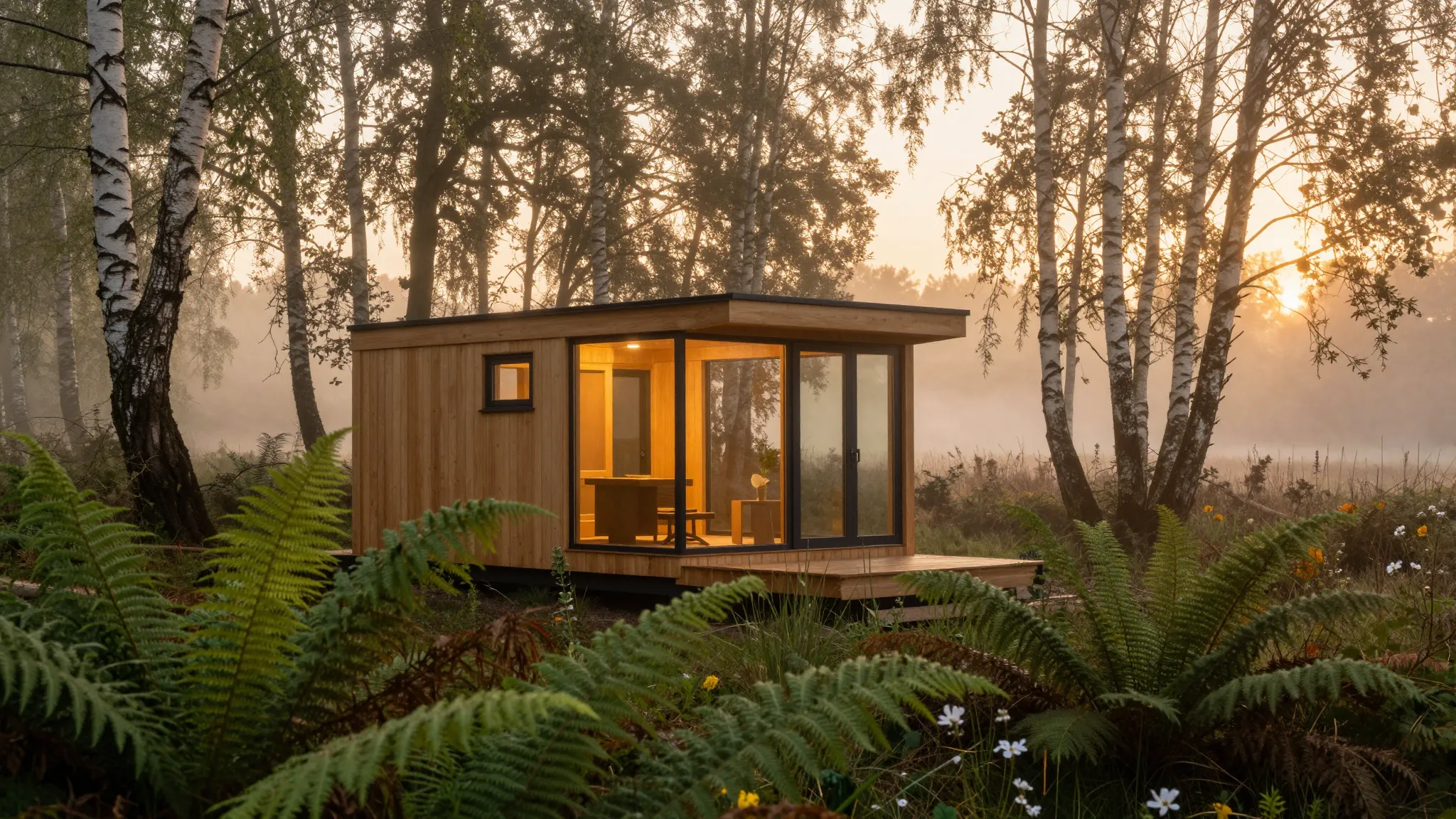
How to Build a Tiny House in Your Backyard | DIY Guide

how to build a tiny house in your backyard

Did you know building a tiny house can cost just £30,000? This fact has led to a big change in how people live in the UK. More people are looking for cheap homes, and tiny houses in backyards are becoming very popular.

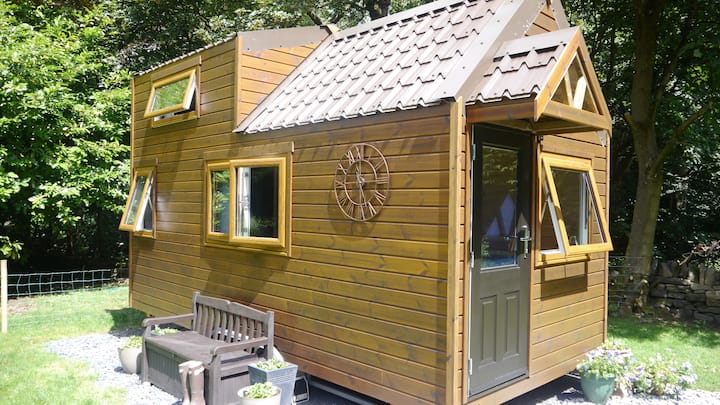
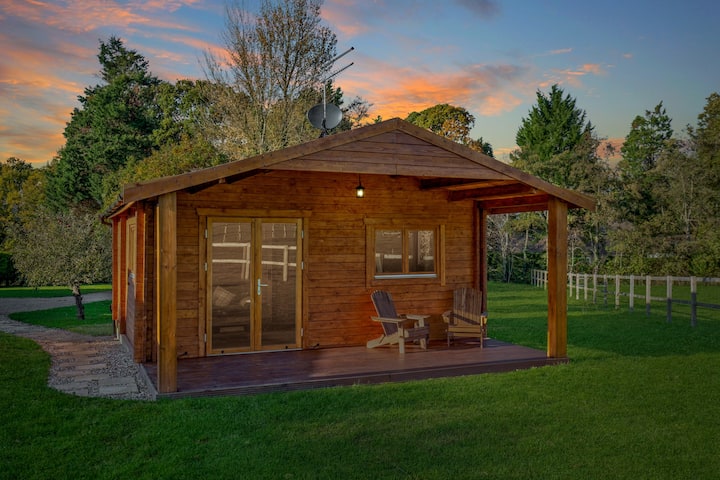
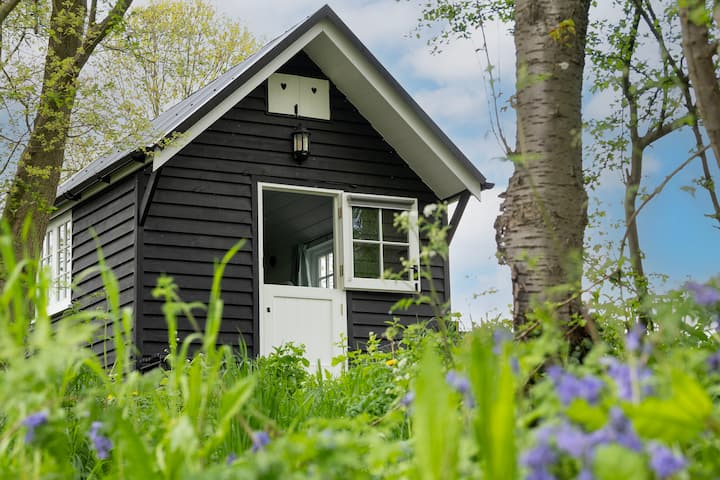
Building a tiny house in your garden is a great way to create a snug retreat. These small homes, which are usually 200 to 400 square feet, are both comfy and efficient. They’re perfect if you want more space or to earn money by renting it out.

Starting a DIY tiny house project needs good planning, creativity, and hard work. This guide will help you understand how to build your own backyard home. You’ll learn about local rules, saving space, and more. Get ready to make your outdoor area into a warm and useful home.

Key Takeaways

  • Tiny houses typically range from 200 to 400 square feet in size
  • DIY construction can save up to 50% compared to professional builds
  • Average costs for tiny homes range from £30,000 to £70,000
  • Planning permission and local regulations are crucial considerations
  • Space-efficient design and multi-functional furniture are key to maximising living space
  • High-quality materials are essential for durability and efficiency
  • Off-grid systems can be incorporated for sustainable living

Understanding Planning Permission and Local Regulations

Building a miniature residence in the UK needs careful thought about planning permissions and local rules. Whether you’re planning a micro housing unit or a small-scale housing project, knowing the legal rules is key.

Checking Local Council Requirements

In the UK, tiny houses in gardens usually don’t need planning permission if they’re used ‘incidentally’ to the main house. But, most tiny homes used as main homes will need approval. It’s a good idea to talk to your local council, as they might object if they think your tiny house looks out of place.

Understanding Building Codes

Tiny houses on wheels are often seen as caravans or mobile homes in British law. They must follow certain rules:

  • Width limit: 2.55m for road legality
  • Length limit: 7m for standard driving license holders
  • Height limit: 3m to be classified as a caravan

Obtaining Necessary Permits

The permit process can be tricky. Here’s a quick guide:

Location Planning Permission
Within legal boundaries of your home Not required
Caravan site Not required
Farmland (up to 28 days) Not required
Glamping site Required
Area of Outstanding Natural Beauty Required

Remember, you might have to pay Council Tax for tiny homes used as main homes. With tiny house rules in the UK changing, getting legal advice is a good idea. It helps ensure you follow the rules and avoid problems.

How to Build a Tiny House in Your Backyard

Building a tiny house in your backyard is exciting. It can be for extra space or a guest room. Planning is essential to make your dream come true.

Site Selection and Preparation

Choosing the right spot is key. Think about privacy, utility access, and local laws. In the UK, you often need planning permission for permanent structures.

Make sure your site drains well and is level. Remove plants and debris before you start.

Foundation Options

You have several foundation choices for your tiny house:

  • Pier and beam: Great for uneven ground
  • Concrete slab: Best for level areas
  • Trailer: Perfect for a mobile home

The right foundation depends on local rules and your needs. Costs vary, with tiny houses costing £40,000 to £60,000.

Basic Construction Steps

Building your tiny house involves several steps:

  1. Framing the structure
  2. Installing windows and doors
  3. Roofing installation
  4. Siding application
  5. Interior finishing

A typical tiny house is 240 sq. ft. in footprint, with 340 sq. ft. total area. In the UK, tiny homes are smaller than the 37m² standard.

Tiny house construction steps

By following these steps and considering local rules, you can build a cozy tiny house. It will fit your needs and enhance your property. Always consult experts and get the right permits before starting.

Essential Materials and Tools Required

Building a tiny home needs careful planning and the right tools. You’ll need basic and special tools for a successful build. Let’s look at the key items for your compact living space.

Essential tools for tiny home construction

Begin with the basics. A carpenter’s pencil, tape measure, chalk line, and level are essential. These tools ensure precision in your project. For framing and structural work, a hammer, impact driver, and circular saw are needed.

Special tools are also important. A reciprocating saw, jigsaw, and nail gun are great for detailed tasks. If you’re doing plumbing or electrical work, consider renting specific tools to save money.

Quality materials are key for a durable tiny home. Choose strong lumber for framing, good insulation, and weather-resistant roofing and siding. In a small space, every material matters.

Tool Price Range (£) Use in Tiny Home Construction
Tape Measure 15-30 Precise measurements for all aspects
Circular Saw 75-225 Cutting lumber and panels
Impact Driver 75-225 Driving screws and bolts efficiently
Level 6-38 Ensuring straight lines and surfaces
Nail Gun 60-300 Quick assembly of framing and finishes

Investing in quality tools and materials is worth it. Your tiny home should last, offering a cosy and efficient space for years.

Design Considerations and Layout Planning

Creating a miniature residence requires clever design. In the UK, where space is limited, micro housing needs careful planning. We’ll look at how to make small-scale housing feel spacious and functional.

Tiny house design layout

Space-Efficient Floor Plans

An open floor plan is key for a tiny house. Removing walls makes rooms feel larger. Using height is also important to add more space. Loft beds are great for saving floor space for living areas.

Maximising Storage Solutions

In tiny houses, every corner can be used for storage. Built-in cabinets, under-stair drawers, and ceiling racks help keep things tidy. Keeping areas above waist level open makes the space feel bigger.

Multi-functional Furniture Options

Choosing furniture that does more than one thing is crucial. Think about fold-down tables, sofa beds, and expandable dining sets. Sliding or collapsible walls also add flexibility, letting you change your space as you need.

Design Element Benefit
Open floor plan Creates illusion of more space
Loft bed Frees up floor space
Built-in storage Maximises space efficiency
Multi-functional furniture Increases versatility

By using these design tips, you can make a small-scale housing solution that feels big and meets all your needs. Remember, in tiny house design, being creative and efficient is key.

Building the Structure: Step-by-Step Process

Building your tiny home needs careful planning and doing. We’ll show you the key steps to build a strong and comfy home. This way, you’ll have a place to live that’s both sturdy and welcoming.

Framework and Wall Construction

Start by framing your tiny home’s structure. Use good lumber for a solid base. Place wall studs 40 cm apart to hold the walls up. Then, cover the outside with sheathing for extra strength and to keep warm or cool.

Framework construction for a tiny house

Roofing Installation

Your tiny house’s roof is key to keeping it dry. Pick strong materials like metal or green options. Begin with roof trusses, then add sheathing and a waterproof layer. Finish with your chosen roof material, making sure it overlaps to keep water out.

Door and Window Placement

Put doors and windows where they let in the most light and air. Choose ones that save energy to keep your home comfy. Make sure they’re sealed well to stop cold air and moisture from getting in.

“Careful planning in the construction phase can make a world of difference in the comfort and efficiency of your tiny house.”

Building your tiny home is a fulfilling journey. Take your time with each step. This way, you’ll have a snug and functional home that suits your needs perfectly.

Plumbing and Electrical Installation

Building a tiny home needs careful planning for plumbing and electrical work. In our project, we focused on these key areas with great attention to detail.

For the electrical setup, we hired two experienced electricians. They started work soon after the exterior wiring was done. They used over 500 feet of regular and low voltage wire. This was for the tiny home’s electrical needs.

Electrical installation in tiny home

We made sure each appliance had its own wiring for safety. This meant each had a special circuit back to the main panel. Outside, we added waterproof outlets. We used PVC trim and cement to make strong mounting blocks for these outlets.

For plumbing, we chose PEX tubing for its easy installation. It connected the bathroom sink, washer, pot filler, and outdoor shower. This made the most of the limited space.

Component Quantity Details
Regular Wire 500+ feet Used for main electrical wiring
Low Voltage Wire 500+ feet Used for automation system
Regular Switches ~110v Standard electrical switches
PEX Tubing As needed Used for plumbing connections

By planning and doing the plumbing and electrical work well, we made our tiny home functional and efficient. We made the most of every inch of space.

Interior Finishing and Insulation

The interior of your miniature home is key to comfort and efficiency. When designing, choose durable materials that save space and look good.

Wall Treatments

For walls, 5/8″ tongue and groove panelling is a top pick. It looks sleek and makes rooms seem bigger. Light colours and shiny surfaces also help.

Flooring Options

Flooring in tiny houses needs to be tough and easy to clean. Vinyl planks or bamboo are great choices. They last long in busy spaces.

Climate Control Solutions

Good insulation keeps your tiny house comfy. Many use natural insulators like sheep’s wool or denim. For walls, R-19 fiberglass is a good, affordable option. The ceiling gets high R-value rigid foam.

Insulation Type Recommended Use R-Value
Rigid Foam Ceiling R-15 per 3 inches
Fiberglass Walls R-19
Sheep’s Wool Natural Alternative R-13 to R-19

For heating and cooling, mini-split HVAC systems are ideal. They’re perfect for small spaces and keep your home comfy all year.

“The key to successful tiny house living is maximising every inch of space while creating a comfortable, functional home.”

Kitchen and Bathroom Installation

Creating a functional kitchen and bathroom in a diminutive abode needs clever planning. These spaces must be efficient without losing comfort.

Space-Saving Fixtures

In a small home, every inch matters. Choose compact appliances and multi-functional items. A combo washer-dryer or mini dishwasher is great for kitchens. Wall-mounted toilets and corner sinks save floor space in bathrooms.

Planning your kitchen in a small home is key. Use fold-down worktops and extendable surfaces for prep areas. Tall cupboards and hanging storage use vertical space well. A mini fridge and two-burner hob meet most cooking needs.

Water and Waste Management

Using water wisely is vital in tiny homes. Low-flow taps and showerheads help. A composting or low-flush toilet cuts water use and manages waste well. A small, on-demand heater is efficient for hot water.

Good ventilation is crucial in kitchens and bathrooms. It stops moisture build-up. Use an extractor fan or open windows to keep air fresh and prevent mould.

“The key to a successful tiny house kitchen and bathroom is maximising functionality within minimal space. Every item must earn its place through regular use or multi-purpose design.”

The aim is to have spaces that meet your needs without feeling cramped. With smart design and storage, your tiny house kitchen and bathroom can be both useful and enjoyable.

Exterior Finishing and Landscaping

Exterior finishing and landscaping are key in tiny home construction. They make your backyard dwelling inviting. A well-designed outdoor space can make your compact living area feel bigger and more connected to nature.

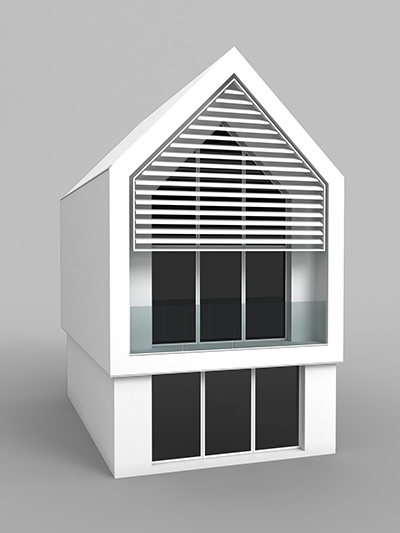
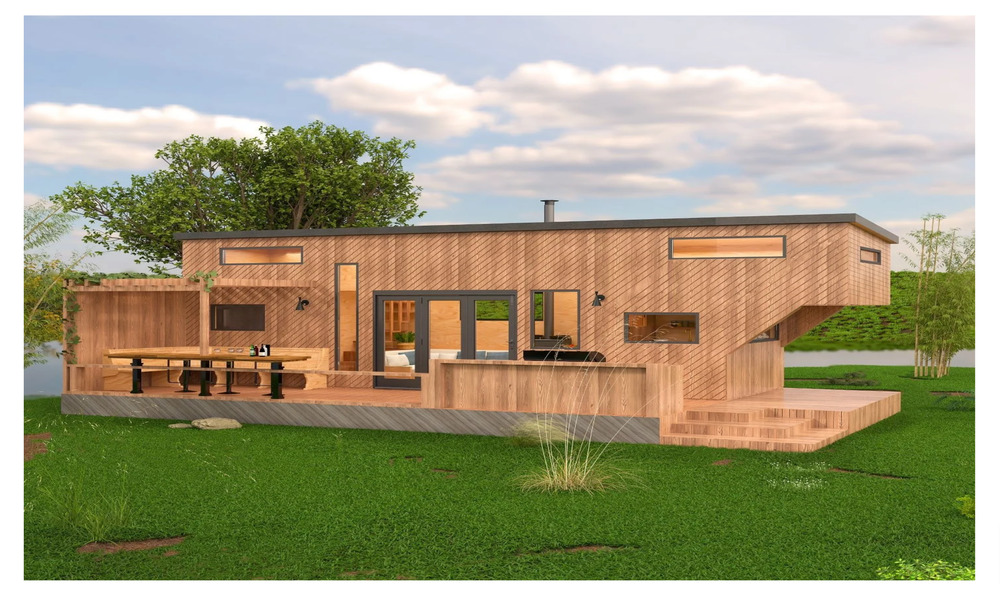
For inspiration, check out unique exterior designs that merge indoor and outdoor areas. A cantilever loft is a great feature. It adds visual interest and extra space without increasing the footprint.

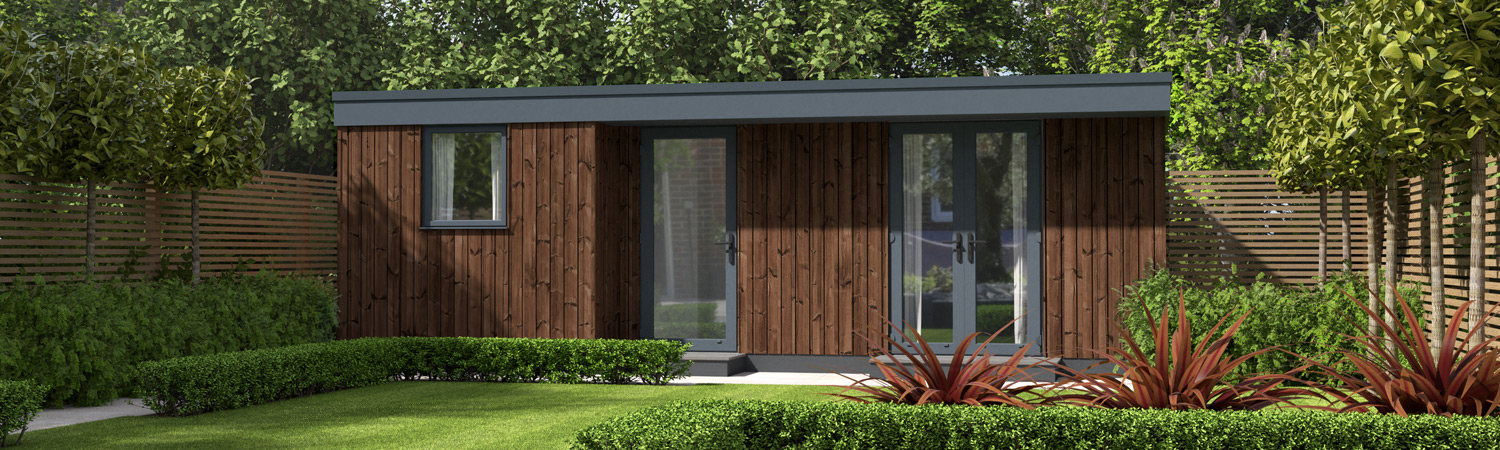
  • Durable, low-maintenance siding options
  • Proper drainage systems to prevent water damage
  • Weather-resistant sealing for protection against the elements
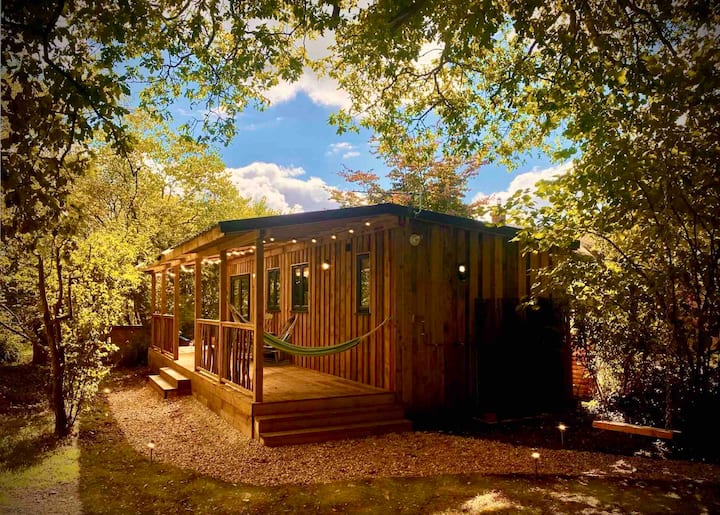
  • A small deck or patio to extend living space outdoors

Landscaping can add privacy and make your tiny house part of the backyard. Choose native plants that need little care and match your property’s look.

Feature Benefits Considerations
Portable deck Flexibility, easy to move Weight, stability
Outdoor bar Entertainment space Weather protection
Accordion window Seamless indoor-outdoor flow Insulation, security

The exterior of your tiny home should match the structure and the property. By thinking about these details, you can create a charming and useful backyard tiny house. It will make the most of your space and improve your lifestyle.

Conclusion

Starting a project to build a miniature home in your backyard is thrilling. It brings many benefits, like extra space and a chance to earn money by renting it out. Building a small home needs careful planning, following local rules, and paying attention to details in design and construction.

Building a tiny house yourself can save money. In the UK, tiny houses cost about £40,000, much less than regular homes over £270,000. But, it’s important to plan your budget well. Think about costs for land, materials, labour, permits, and fees. Spend on important things like insulation and plumbing first, then add extras if you can.

Good planning and design help avoid extra costs. Over 60% of homeowners think about building a tiny house to use their space better. By choosing good materials, designing smartly, and following local rules, you can make a unique and useful home.

The journey to build a small home can be tough, but it’s worth it. Always focus on safety and quality. If you’re unsure about something, get help from experts. With the right planning, your tiny house can be a lovely part of your home, offering a flexible and affordable living option.

FAQ

What is the typical size of a backyard tiny house?

A typical tiny house is between 200-400 square feet. A common size is about 340 sq. ft. with a 240 sq. ft. footprint.

How much does it cost to build a tiny house in your backyard?

Building a tiny house yourself can cost as little as £30,000. But, prices can go up based on materials, design, and if you need professional help.

Do I need planning permission to build a tiny house in my backyard?

Yes, you must check with your local planning department. They can tell you about zoning rules and if you need permits.

What foundation options are available for a backyard tiny house?

You can choose from pier and beam or concrete slab foundations. The best option depends on local rules, soil, and what you prefer.

What are the essential materials needed for building a tiny house?

You’ll need lumber, insulation, roofing, siding, windows, doors, and interior finishes. Choose durable materials because tiny homes are small.

How can I maximise space in a tiny house?

Use an efficient design. Go for open floor plans and make the most of vertical space. Choose multi-functional furniture and built-in storage. Use loft areas for sleeping to save floor space.

What type of insulation is recommended for a tiny house?

Spray foam insulation is best for tiny houses. It’s efficient and adds structural strength.

How do I handle plumbing and electrical work in a tiny house?

Plumbing and electrical need careful planning because of the small space. It’s wise to hire pros for safety and to follow building codes.

What should I consider for the kitchen and bathroom in a tiny house?

Choose compact, multi-functional appliances and fixtures. Consider a composting toilet for water saving. Design the kitchen for storage and workspace, using fold-down surfaces if needed.

How can I integrate a tiny house into my backyard landscape?

Match the tiny house’s exterior with your main property. Use landscaping for privacy and to blend the tiny house into the yard. Adding a deck or patio can expand your living area outdoors.