

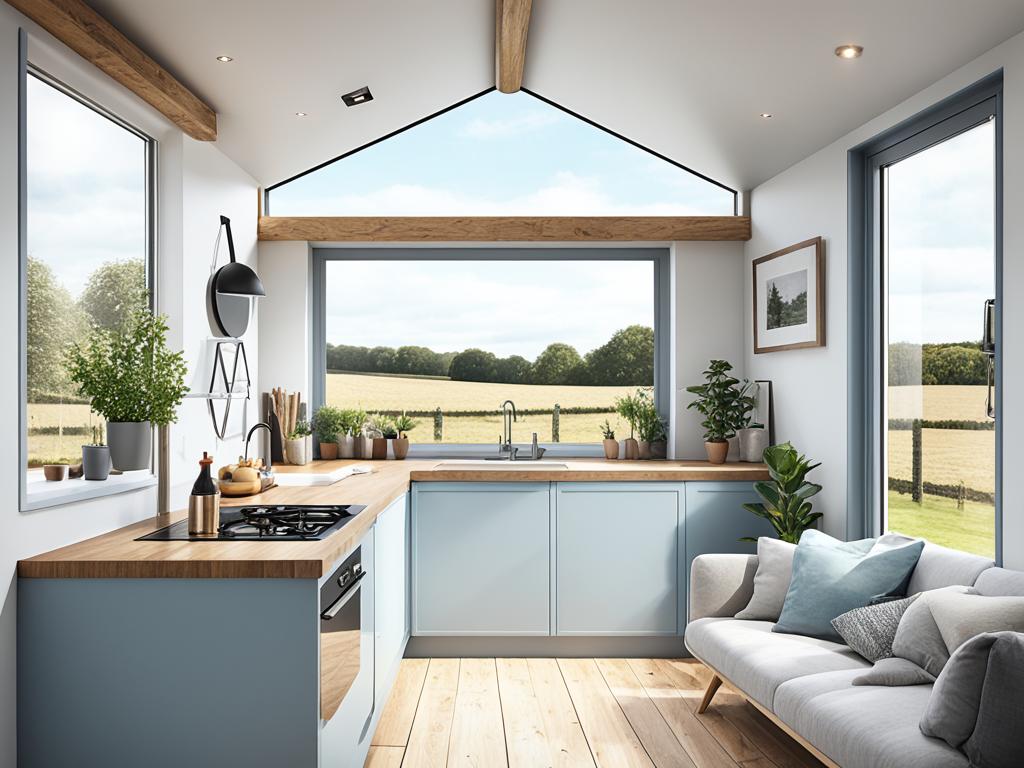
Did you know that the tiny house movement has gained so much traction in the United Kingdom that there are now over 10,000 simply living tiny homes across the country? As people search for ways to embrace minimalist living and eco-friendly practices, these small, sustainable houses have captured the imaginations of individuals looking for a simpler way of life. Influencers like Elon Musk have also expressed their appreciation for the coziness and simplicity of living in a small house, further fueling the interest in UK minimalist living.
Key Takeaways:
- Simply living tiny homes offer a sustainable and minimalist approach to housing in the UK.
- These compact houses use significantly less material and energy compared to traditional homes.
- Tiny houses can be equipped with renewable energy sources, allowing homeowners to live off the grid.
- The appeal of tiny homes lies in small space living and the sleek, minimalist aesthetic they offer.
- Tiny house living promotes a simpler, more sustainable lifestyle focused on experiences rather than material possessions.
The Appeal of Tiny Homes
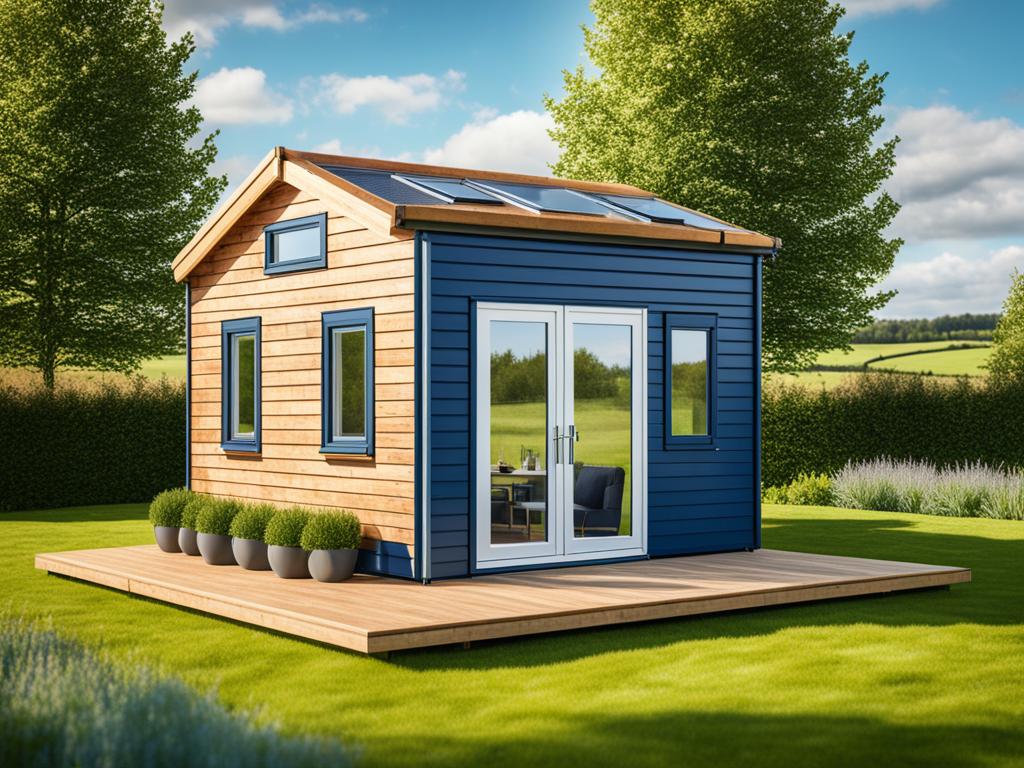
The appeal of simply living tiny homes lies in the concept of small space living and minimalist home design. By downsizing and decluttering, homeowners create more room in their lives for the things that truly matter. Tiny houses offer a sleek and minimalist aesthetic, with carefully designed interiors that make the most of limited space.
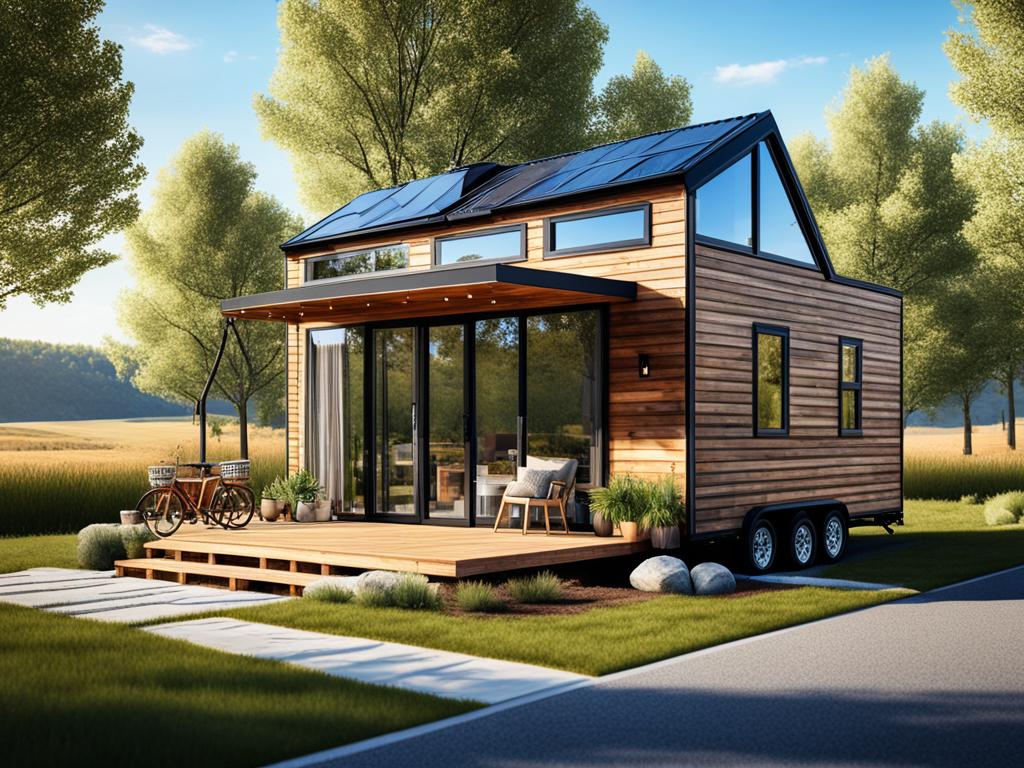
Homeowners can customize their tiny homes with space-saving furniture and decor to maximize functionality. With clever storage solutions and efficient design, every inch of space in a tiny home is utilized. The minimalist approach to home design promotes simplicity, tranquility, and a focus on experiences rather than material possessions.
The Benefits of Tiny House Living
Simply living tiny homes offer various benefits to homeowners. These include compact living solutions, allowing individuals to live comfortably in a smaller footprint. Tiny houses are environmentally friendly, as they require fewer resources to build and are energy-efficient. According to the Tiny Housing Co, tiny houses use only 20 to 30% of the energy consumed by average UK homes. They can also be equipped with renewable energy sources, such as solar panels or wind power, enabling homeowners to live off the grid.
Additionally, tiny homes promote a simpler and more sustainable lifestyle, encouraging individuals to reduce their consumption and live in harmony with nature. Space-saving furniture and thoughtful design make tiny homes functional and efficient, further enhancing the benefits of compact living.
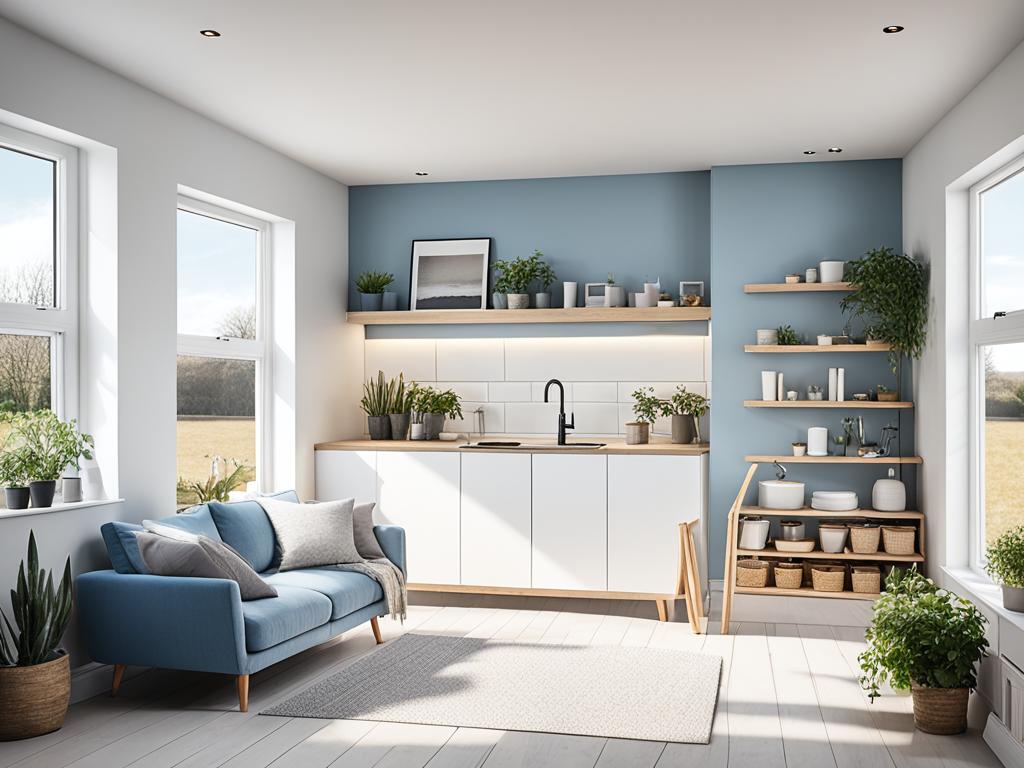
Overcoming Challenges in Tiny House Living
While simply living tiny homes offer many advantages, there are challenges to consider. The cost of land can be a significant factor, as finding an affordable and suitable location for a tiny house can be challenging. Some individuals overcome this obstacle by situating their homes on land owned by family or friends or by renting land from farmers. Another option is to buy land and change its use to accommodate a tiny house. However, obtaining full planning permission to live in a tiny house full-time and on a permanent basis can be challenging in the UK. Despite these challenges, many individuals opt for tiny homes as a mortgage-free alternative to traditional housing, providing financial freedom and a more minimalist lifestyle.
Cost of Land
The cost of land is a significant consideration when it comes to tiny house living. Finding an affordable and suitable location can be challenging, especially in highly desirable areas. However, some creative solutions can help overcome this challenge. Some individuals choose to place their tiny homes on land owned by family or friends, reducing or eliminating the cost of land altogether. Others opt to rent land from farmers or landowners who have unused or underutilized space. This allows homeowners to enjoy the benefits of tiny house living without the burden of high land costs.
Planning Permission
Obtaining full planning permission to live in a tiny house full-time and on a permanent basis can be a challenge in the UK. Local planning authorities often have regulations and restrictions that make it difficult to gain approval for living in a tiny house. However, there are strategies to navigate this obstacle. Some individuals choose to buy land and change its use to accommodate a tiny house. This may involve applying for change-of-use permission or seeking planning permission for temporary housing. Engaging with local planning authorities, consulting with professionals, and presenting a well-prepared case can improve the chances of securing planning permission for tiny house living.
Mortgage-Free Living
Despite the challenges of cost of land and planning permission, many individuals are drawn to tiny house living for the opportunity to live mortgage-free. Traditional mortgages are not typically available for tiny houses as they are not attached to land. However, homeowners can explore alternative financing options, such as personal loans or specialist tiny house loans. These loans often come with higher interest rates but provide the freedom from mortgage debt. Living mortgage-free allows individuals to save money, have greater financial flexibility, and embrace a more minimalist lifestyle.
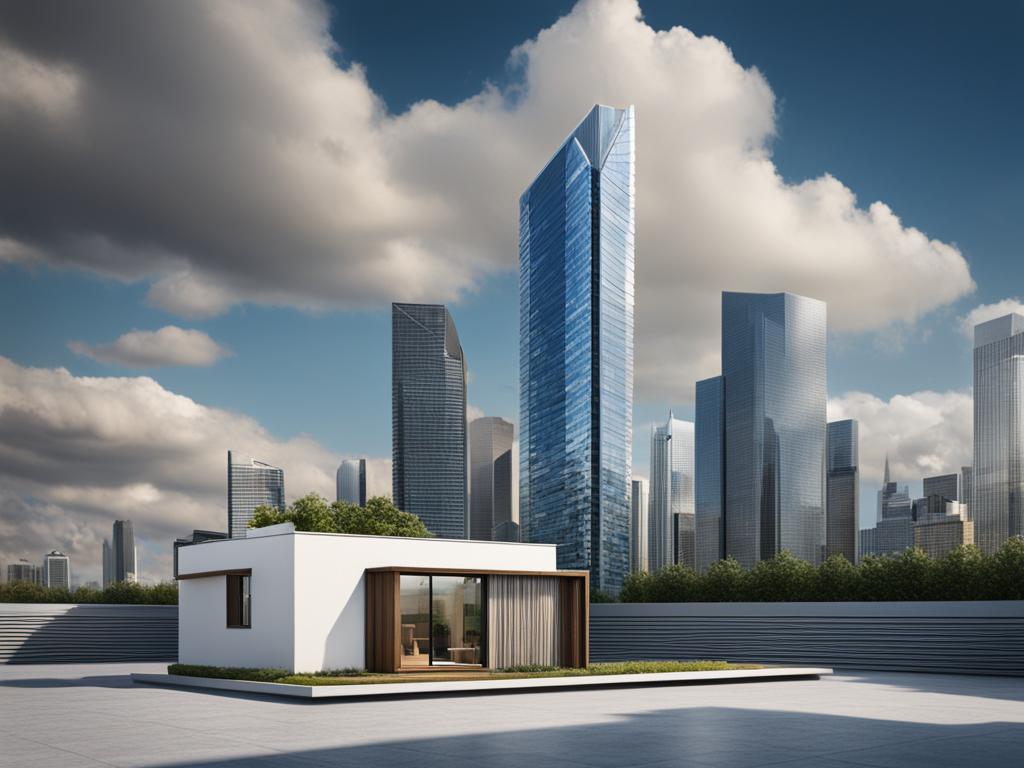
The Growth of the Tiny House Movement Worldwide
While the tiny house movement is gaining momentum in the UK, it is important to note its global reach. In countries like the US, an estimated 10,000 people live in tiny houses. The movement is fuelled by a growing interest in small homes and sustainable living. Tiny homes offer an affordable and environmentally conscious alternative to traditional housing. People around the world are embracing the idea of downsizing and simplifying their lives, leading to a greater sense of community, increased time spent outdoors, and a reduced carbon footprint.
The pandemic has further accelerated the demand for tiny homes, as individuals seek a connection with nature and a refuge from the fast-paced city life. As more individuals explore the benefits of tiny house living and advocate for sustainable and affordable housing options, the global tiny house movement continues to thrive.
Emphasizing sustainable living and minimalist principles, simply living tiny homes provide an opportunity for homeowners to reduce their environmental impact, live more intentionally, and enjoy the benefits of a simpler lifestyle.
Tiny House Living in the UK: Challenges and Opportunities
In the UK, tiny house living still faces challenges and limitations. While tiny homes are considered a creative solution to address the lack of affordable housing, they are often out of reach for those in dire need of housing due to financial barriers and limited access to resources. Traditional mortgages cannot be used to finance tiny houses as they are not attached to land. Tiny homes must be financed through private loans, which often come with higher interest rates.
Additionally, finding suitable land for a tiny house can be difficult, as full planning permission is challenging to obtain for permanent residence. The tiny house movement highlights the need for a more equitable distribution of resources and access to affordable housing options.
In order to address these challenges and create more opportunities for tiny house living, it is crucial to explore alternative financing options and advocate for changes in planning regulations. Government support and incentives can play a significant role in making tiny homes more accessible and affordable to those who need them most. By prioritizing affordable housing and considering the unique needs of tiny house dwellers, we can work towards a more inclusive and sustainable housing model in the UK.
Conclusion
Simply living tiny homes offer a unique and sustainable approach to housing in the UK. With their compact designs, eco-friendly features, and minimalist lifestyle, they provide a compelling alternative to traditional homes. These homes promote a more intentional and fulfilling lifestyle, allowing individuals to minimize their environmental impact and reduce their living costs.
While there are challenges to overcome, such as the cost of land and planning permission, the tiny house movement is growing worldwide. More and more people are exploring the benefits of tiny house living and advocating for affordable housing options. This growing interest is driven by a desire for a simpler, more sustainable way of living.
By embracing simply living tiny homes, individuals not only have the opportunity to create a more intentional and fulfilling lifestyle, but also contribute to a more inclusive and environmentally conscious housing model. These compact homes allow people to live in harmony with nature while minimizing their consumption and reducing their ecological footprint.
In an era where sustainable living is increasingly important, simply living tiny homes offer a practical solution. By choosing this alternative, individuals can take control of their lives and prioritize what truly matters, living a simpler, more sustainable way of life.


Join The Discussion