


Are you ready to embrace a minimalist lifestyle and eco-friendly living? Tiny Footprint Homes is revolutionizing the housing industry with their small sustainable houses. But just how tiny can these homes be? Let’s explore the world of tiny footprint homes and discover the incredible benefits they offer.
- Tiny Footprint Homes offers customizable sustainable homes at an affordable cost.
- These small homes prioritize minimalist living and eco-friendly design.
- They adhere to high-quality craftsmanship and strategic design, complying with the Ontario Building Code.
- Tiny homes and small homes offer energy efficiency, carbon neutrality, and reduced environmental impact.
- By choosing tiny footprint homes, individuals can enjoy affordable housing and the freedom of mobility.
The Charm of Tiny Footprint Homes
Tiny Footprint Homes offers small, minimalist homes that embrace sustainable architecture and green home design principles. These homes are designed to have a small footprint and minimize environmental impact, making them ideal for those seeking a more sustainable way of living.
At Tiny Footprint Homes, every detail is carefully considered to ensure that each home embodies the principles of minimalist design. From clean lines and simple aesthetics to efficient use of space, these homes prioritize simplicity without compromising on style or functionality.
One of the key features of these homes is their sustainable architecture. Tiny Footprint Homes focuses on sourcing local and sustainable products and materials whenever possible, prioritizing longevity and durability. By incorporating eco-friendly materials, such as reclaimed wood or recycled materials, these homes contribute to reducing waste and carbon footprint.
Living in a tiny footprint home allows individuals to downsize their living space without sacrificing their lifestyle. These homes are thoughtfully designed to maximize space efficiency, offering clever storage solutions and multipurpose areas. By embracing the minimalist concept, individuals can declutter their lives and create a more serene and peaceful environment.
As individuals transition to tiny footprint homes, they also actively contribute to creating a more sustainable future. By reducing their ecological footprint, these homeowners minimize energy consumption, water usage, and waste generation. This, in turn, helps preserve natural resources and supports a greener, healthier planet.
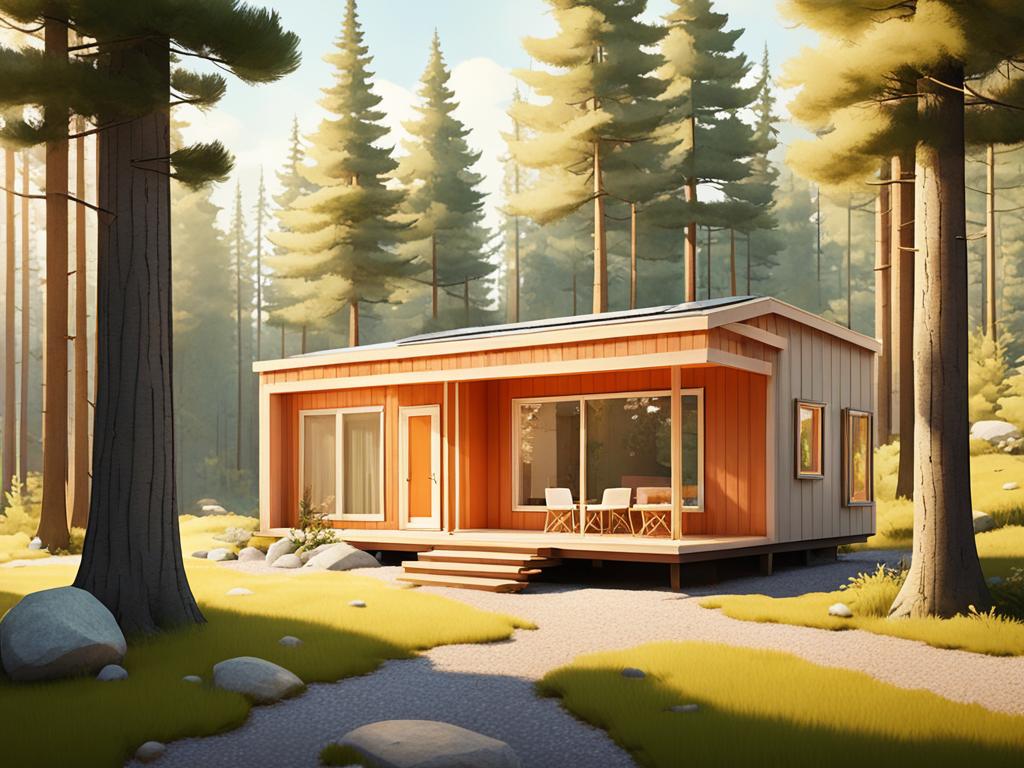
By opting for a tiny footprint home, individuals can embrace sustainable living and make a positive impact on their surroundings. With the perfect blend of minimalist design, sustainable architecture, and green home principles, these homes offer a charming and eco-friendly living solution.
The Difference Between Tiny Homes and Small Homes
Tiny homes and small homes are often grouped together as one concept, but there are significant differences between the two.
Tiny homes are generally under 50 square meters and are built with the intention of being mobile. They have gained popularity among individuals who want to adopt a minimalist, nomadic lifestyle. These compact dwellings provide an opportunity to live with a smaller ecological footprint, promoting small space living and energy efficiency. Due to their portability, tiny homes offer the freedom to explore different locations while still enjoying the comforts of home.
On the other hand, small homes are slightly smaller than traditional homes, ranging from 90 to 150 square meters. They prioritize thoughtful design and can offer innovative solutions to common housing problems. Small homes are built with the aim of maximizing functionality and often incorporate smart home technology to enhance energy efficiency and reduce environmental impact. These dwellings provide a balance between compact living and the comforts of a larger home.
Both types of homes promote small space living, energy-efficient housing, and carbon-neutral dwellings. Whether you choose a tiny home or a small home, these sustainable housing options allow individuals to contribute to a more eco-friendly lifestyle while enjoying the benefits of a well-designed, compact space.
The Benefits of Tiny Footprint Homes
Choosing a tiny footprint home comes with several benefits that contribute to sustainable living, affordable housing, and freedom of mobility. These homes have a smaller ecological footprint due to their smaller size and energy-efficient design, making them an environmentally-friendly choice for eco-conscious individuals.
One of the significant advantages of tiny footprint homes is their affordability. Compared to traditional housing, these homes are more cost-effective to build and maintain. With rising property prices and increasing housing expenses, tiny homes provide a viable solution for those seeking affordable housing options without compromising on quality and comfort.
Moreover, tiny homes offer a unique opportunity for freedom of mobility. Tiny homes on wheels enable homeowners to easily move and explore different locations, embracing a sense of adventure and flexibility. Whether it’s exploring new communities or seeking a change of scenery, tiny homes provide the freedom to live and thrive wherever one desires.
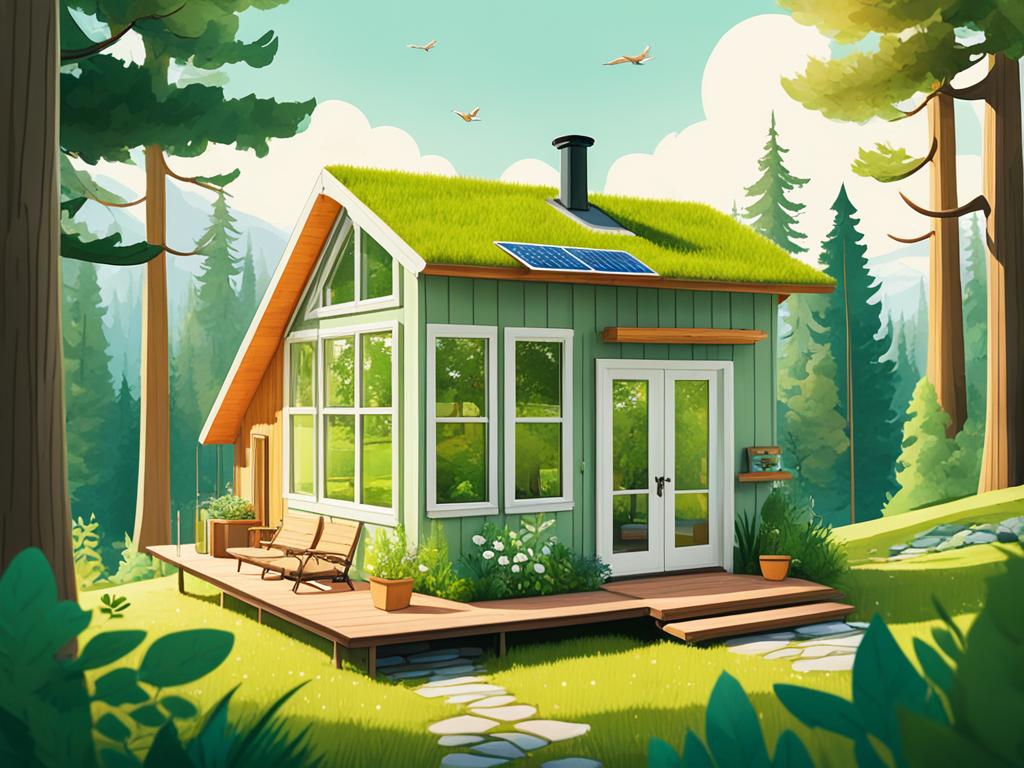
By choosing a tiny footprint home, individuals can actively contribute to a more sustainable future. These homes promote sustainable living practices by minimizing waste, reducing energy consumption, and utilizing eco-friendly materials. They are designed to maximize efficiency and functionality within a compact space, allowing residents to live comfortably while minimizing their impact on the environment.
In summary, tiny footprint homes provide a range of benefits, including sustainable living, affordable housing, and freedom of mobility. These homes offer a smaller ecological footprint, making them an environmentally-conscious choice. Additionally, they are more affordable to build and maintain, offering an alternative to rising housing costs. The freedom of mobility provided by tiny homes allows individuals to explore new locations and live a flexible lifestyle. Choosing a tiny footprint home not only supports sustainable living practices but also provides an opportunity for individuals to embrace a more intentional and fulfilling way of life.
Small Homes for a Simplified Lifestyle
Small homes offer a simplified lifestyle with smart home design. These homes are intelligently designed to maximize space and functionality, often incorporating 2-3 bedrooms, a full-size kitchen, and a living space. By choosing a smaller home, individuals can reduce their maintenance tasks and expenses, as these homes require less cleaning, lawn care, and general upkeep.
Living in a small home encourages a minimalistic mindset, where individuals can focus on what truly matters to them and enjoy a clutter-free, simpler lifestyle. With fewer rooms and less square footage, there is less space to accumulate unnecessary belongings, leading to a sense of freedom and lightness.
One of the benefits of small homes is their smart design, which optimizes every inch of the space. The furniture and storage solutions are often multifunctional, serving multiple purposes to maximize functionality without sacrificing style. From built-in shelves and hidden storage compartments to fold-away furniture and loft spaces, small homes make the most of every nook and cranny.
Reduced Maintenance
In addition to their smart design, small homes require reduced maintenance compared to larger homes. With less square footage to clean and maintain, individuals can spend less time on household chores and more time doing the things they love. Cleaning a small home is a breeze, and there is no need to spend hours mowing a large lawn or maintaining extensive landscaping.
Furthermore, small homes often feature low-maintenance materials and energy-efficient systems, reducing the need for constant repairs and upkeep. This not only saves time but also reduces expenses associated with home maintenance.
Simple Living
Living in a small home promotes simple living. With a limited amount of space, individuals are encouraged to be intentional with their possessions and prioritize what truly brings them joy and value. This minimalist mindset can extend beyond the physical belongings and into other aspects of life, allowing individuals to focus on experiences, relationships, and personal growth.
The reduced space of a small home also encourages individuals to spend more time outside, enjoying nature and engaging with their local community. With less time and energy dedicated to maintaining a large home, individuals can pursue their passions, hobbies, and interests with greater freedom and enthusiasm.
Overall, small homes offer a simplified lifestyle rooted in smart design, reduced maintenance, and simple living. They provide an opportunity to create a cozy and functional living space that aligns with individual values and priorities. By embracing the concept of small home living, individuals can find greater contentment, freedom, and harmony in their daily lives.
Conclusion
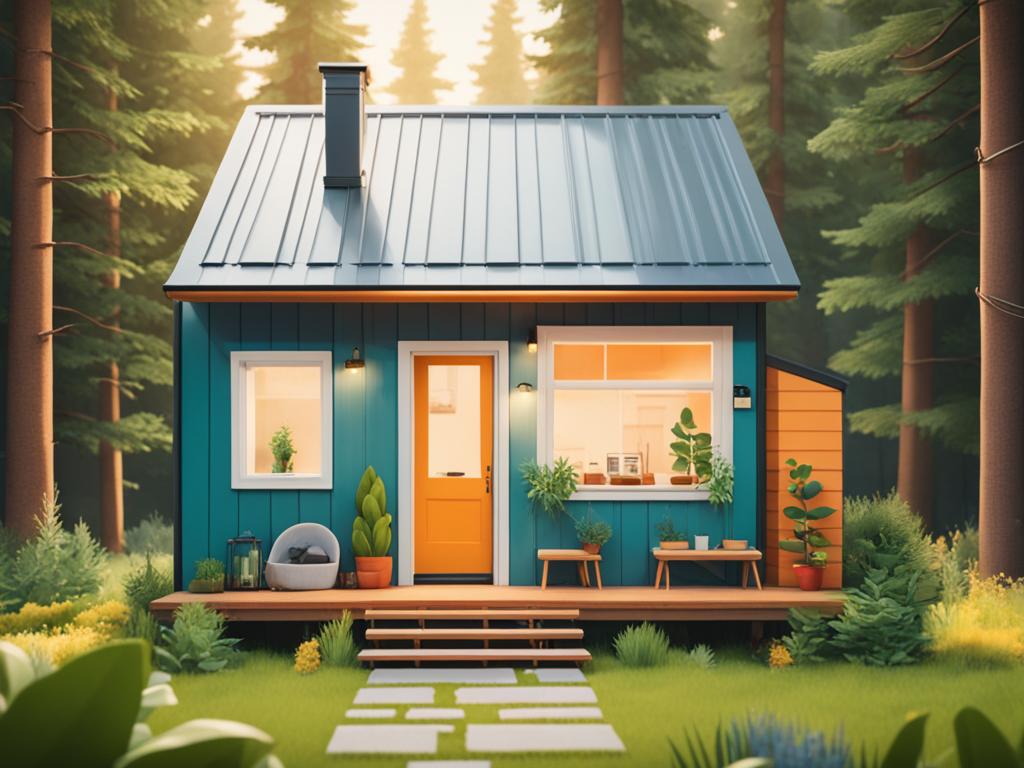
In conclusion, tiny footprint homes provide sustainable housing solutions that promote eco-friendly living and minimalist lifestyles. Whether you choose a tiny home or a small home, both options prioritize energy efficiency, reduce environmental impact, and offer affordable housing alternatives. By embracing small space living, individuals can enjoy a simplified lifestyle, decrease their ecological footprint, and contribute to creating happier and healthier communities.
With the increasing popularity of tiny homes and small home designs, more people in the United Kingdom are discovering the benefits of living in compact and well-designed spaces. These homes offer innovative solutions for sustainable living and cater to the growing demand for environmentally conscious housing options.
By customising these small home designs, individuals can create a living space that suits their specific needs and preferences. The versatility of these homes allows for creative and efficient use of space while maintaining functionality and comfort. Moreover, small homes provide the opportunity to simplify daily routines, reduce maintenance tasks, and focus on what truly matters.
Whether you’re seeking an affordable housing solution, a minimalistic lifestyle, or a way to reduce your environmental impact, tiny footprint homes and small home designs offer practical and sustainable alternatives. Embrace the benefits of sustainable housing solutions and small home living as you contribute to a more eco-friendly future.


Join The Discussion