

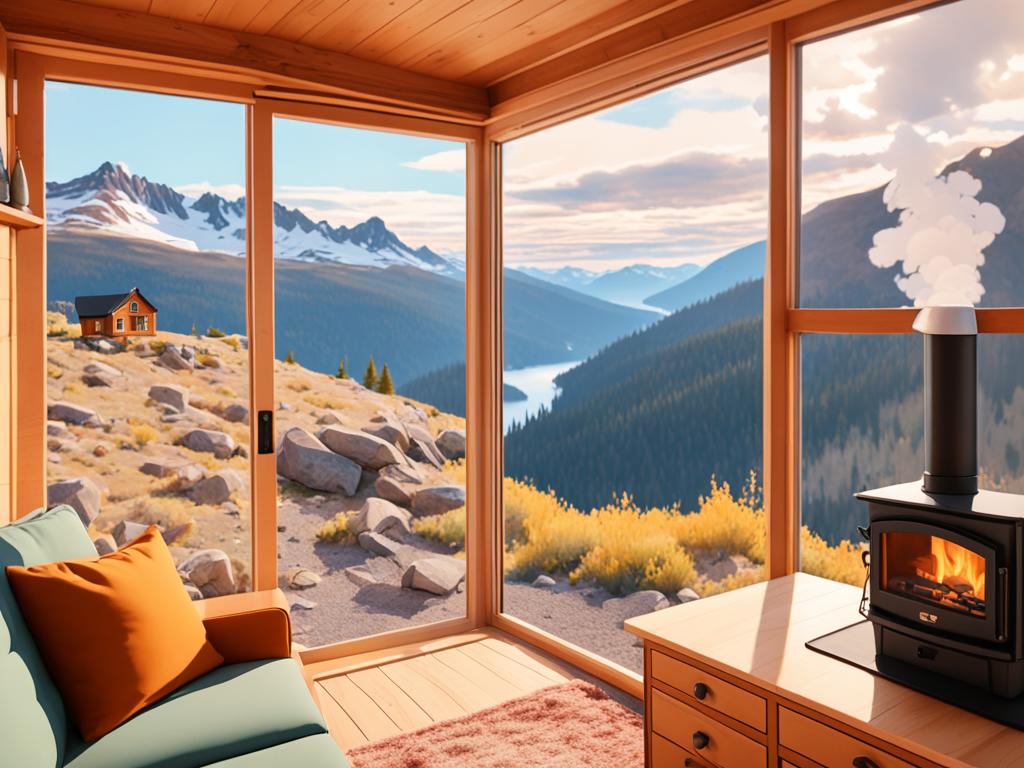
Are you ready to embark on a unique adventure and explore the world in a small house? Imagine a life of freedom, simplicity, and the ability to travel wherever your heart desires. Discover the wonders of tiny living, where every journey becomes a minimalist escape.
As the tiny home movement gains momentum, more and more people are embracing the idea of compact living as a means to explore new places and experience the joys of minimalist living. These tiny homes offer a perfect blend of mobility and sustainability, allowing you to take your home with you on your travels and forge unforgettable memories along the way.
In this article, we will delve into the world of tiny homes for adventure and travel, exploring the appeal of these compact dwellings, overcoming the challenges of tiny living, and discovering the benefits of a minimalist lifestyle. Embark on a journey of exploration and get ready to experience the wonders of tiny house living.
Key Takeaways:
- Tiny homes offer an adventurous and sustainable way to explore new places.
- Living in a tiny home promotes a minimalist lifestyle and conscious consumption.
- Overcoming challenges such as zoning laws and parking is possible with proper planning.
- There are various tiny home models available, each with its own unique features.
- Tiny homes provide an opportunity for cultural immersion and a deeper connection with the environment.
The Appeal of Tiny Homes
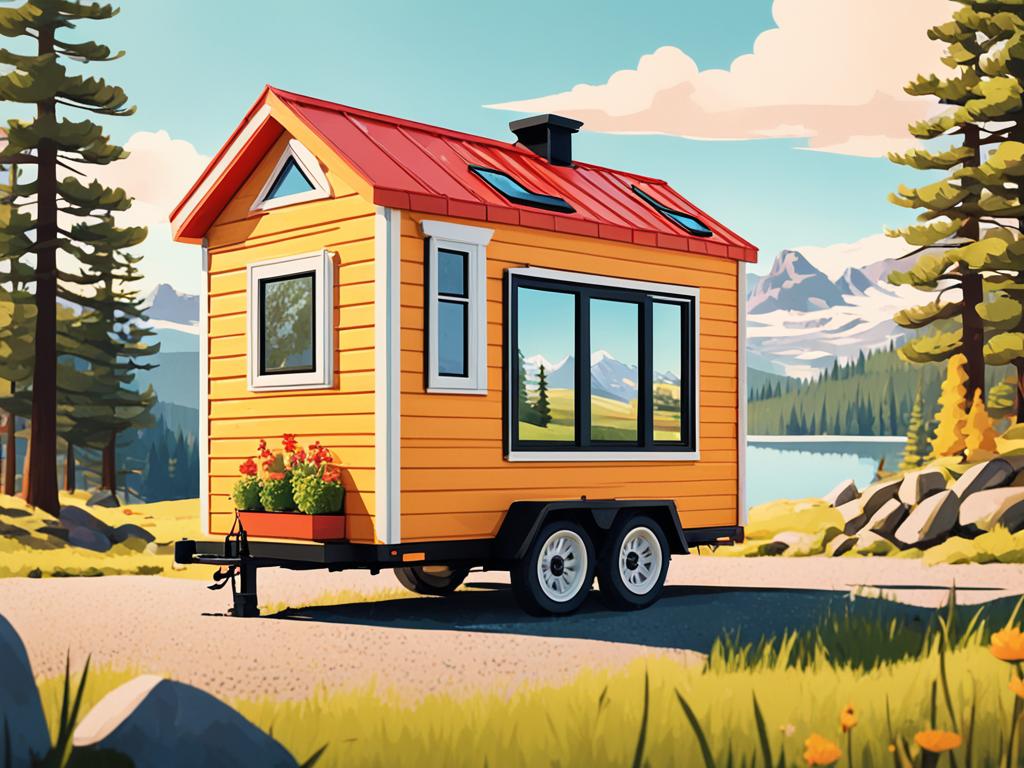
Tiny homes offer a unique and eco-friendly way to travel and experience new places. These compact homes are designed with a focus on sustainability, resource efficiency, and low environmental impact. By living in a tiny home, individuals can reduce their carbon footprint and live a more intentional and conscious lifestyle. It also offers a sense of financial freedom, as tiny homes often require less maintenance and cost than traditional houses.
When it comes to sustainable travel, tiny homes are a perfect fit. Their small size allows for efficient use of resources, minimizing waste and energy consumption. Whether it’s using renewable energy sources like solar power or utilizing composting toilets for reduced water usage, every aspect of tiny homes promotes eco-friendly living.
Financial freedom is another compelling aspect of tiny home living. With lower expenses for maintenance, utilities, and mortgage payments, individuals can free up their finances and have more disposable income. This opens up opportunities for travel and other experiences that enhance the quality of life.
Living in a tiny home is not just about downsizing; it’s a conscious choice to embrace a simpler and more sustainable way of life. The appeal of tiny homes lies in their ability to offer a smaller ecological footprint, a sense of financial independence, and the freedom to explore new places without sacrificing comfort and style.
Overcoming Challenges of Tiny Living
While tiny living offers many benefits, it is not without its challenges. One of the main hurdles for tiny homeowners is finding a suitable place to park their tiny homes. This can be particularly difficult due to restrictive zoning laws in many areas. These laws dictate where and how tiny homes can be parked, often limiting options for potential homeowners.
Additionally, connecting a tiny home to the grid for utilities can pose another challenge. Tiny homes are often designed to be energy-efficient and sustainable, which may require alternative methods of obtaining power and water. Finding suitable grid connections in certain areas can be a struggle, as conventional infrastructure may not support the needs of a tiny home.
Research and Planning for Solutions
Despite these challenges, there are solutions to overcome them. It is important for tiny homeowners to conduct thorough research and planning to find suitable options for parking their homes. This may involve exploring alternative land-use regulations or investigating communities that are more welcoming to tiny homes.
In some cases, renting a pitch from a farmer or staying at a camping or glamping site may provide a temporary solution. These locations often have more relaxed regulations and offer amenities that can support the needs of a tiny home.
When it comes to utilities, tiny homeowners can explore off-grid options such as solar power, rainwater harvesting, or composting toilets. These sustainable alternatives can help reduce reliance on traditional utilities and make it easier to live independently.
By taking the time to research and plan, tiny homeowners can find suitable solutions to overcome the challenges of zoning laws, parking, and grid connection, allowing them to enjoy the benefits of tiny living.
Tiny Home Models
When it comes to tiny homes, there are several popular models on the market that cater to different preferences and needs. Each of these models offers its own unique features and design, allowing individuals to find the perfect tiny home for their adventures and travels.
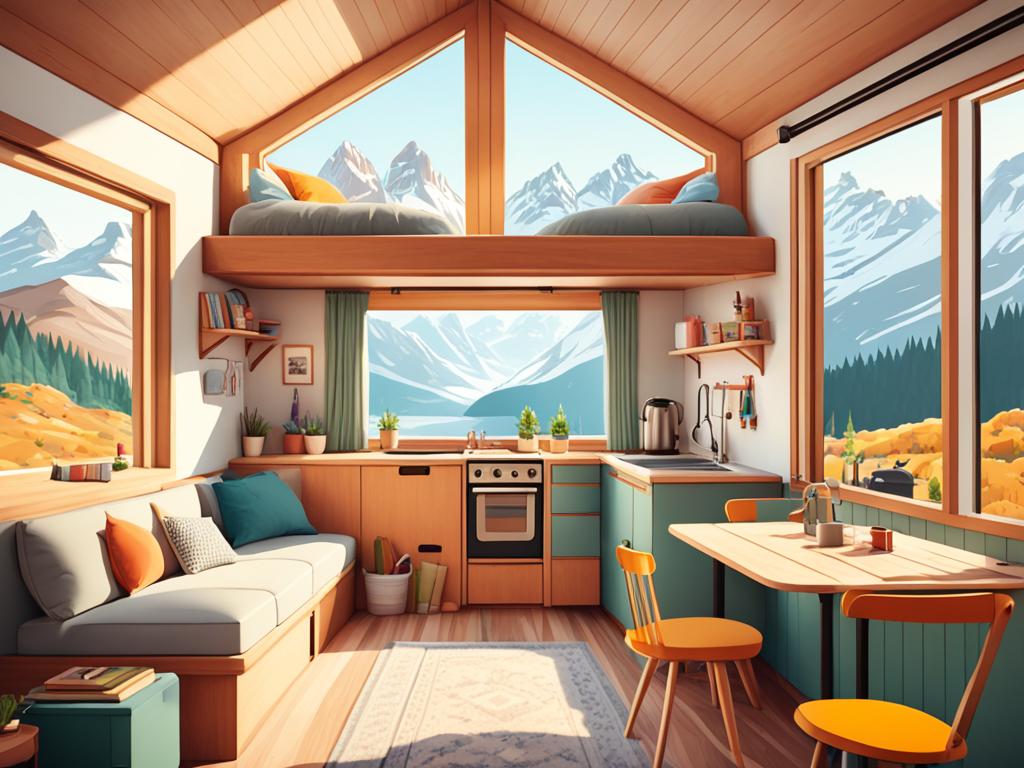
One popular model is the Escape Traveler XL. This tiny home is designed to provide ample space for comfortable living, featuring a loft bedroom, a well-equipped kitchen, and a spacious living area. With its modern design and efficient use of space, the Escape Traveler XL offers both style and functionality.
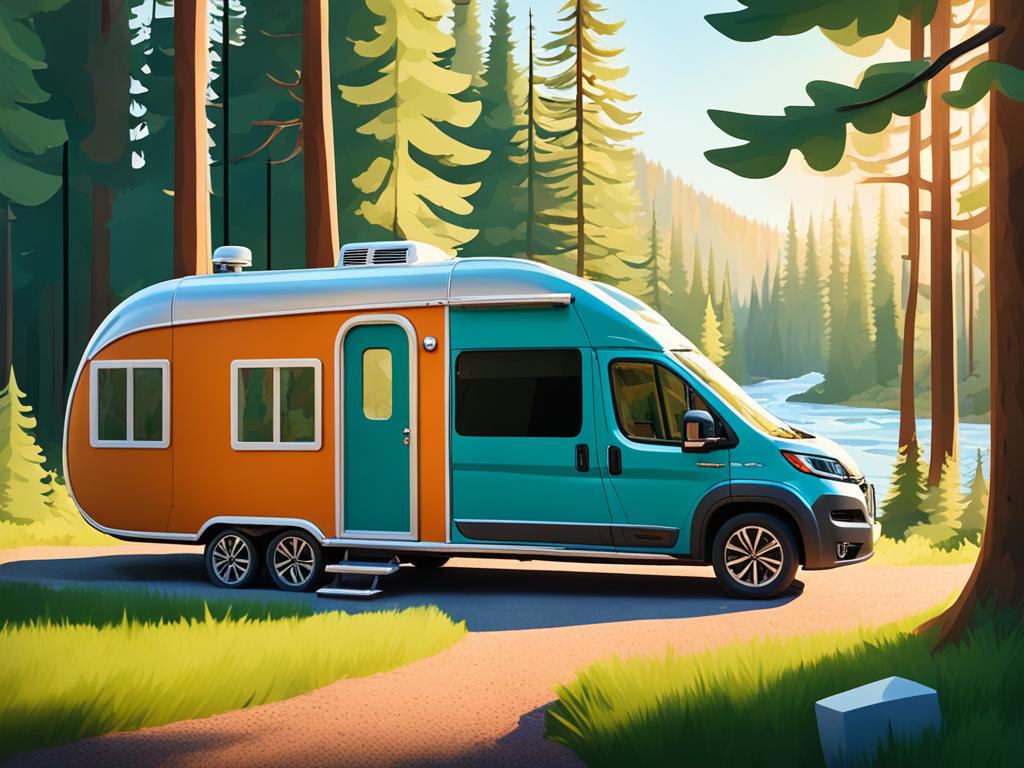
Incred-I-Box is another noteworthy tiny home model that combines practicality and innovation. This model emphasizes versatility and customization, allowing individuals to adapt the space based on their specific needs. The Incred-I-Box offers modular features that can be adjusted to create separate spaces for sleeping, working, and dining.
For those who value luxury and elegance, the Tiny Heirloom Majesty is an excellent choice. This high-end tiny home model features premium finishes, high-quality materials, and sophisticated design elements. The Tiny Heirloom Majesty offers a comfortable and luxurious living experience without compromising on the benefits of tiny home living.
If you’re looking for a tiny home model that embraces a rustic and natural aesthetic, the Rocky Mountain Wasatch is worth considering. With its timber accents and cozy interior, this model provides a warm and inviting atmosphere. The Rocky Mountain Wasatch offers a blend of charm and functionality, making it ideal for those seeking a close connection to nature.
Lastly, the Minimaliste Nomad offers a sleek and modern design that caters to minimalist living. This model focuses on simplicity and efficiency, providing a minimalist lifestyle with all the essential amenities. The Minimaliste Nomad is designed for those who appreciate clean lines and a clutter-free living space.
These tiny home models showcase the variety of options available for those interested in tiny living. Whether you prefer a spacious and luxurious design, a modular and flexible layout, a rustic and natural aesthetic, or a sleek and minimalist approach, there is a tiny home model that can be customized to suit your individual style and needs.
Sustainable Travel with Tiny Homes
Tiny homes offer a sustainable and eco-friendly way to travel. These compact and mobile dwellings allow eco-conscious travelers to embark on unforgettable adventures while minimizing their environmental impact. By embracing tiny house living, travelers can experience the beauty of cultural immersion, resource efficiency, and a deeper connection with the local community and environment.
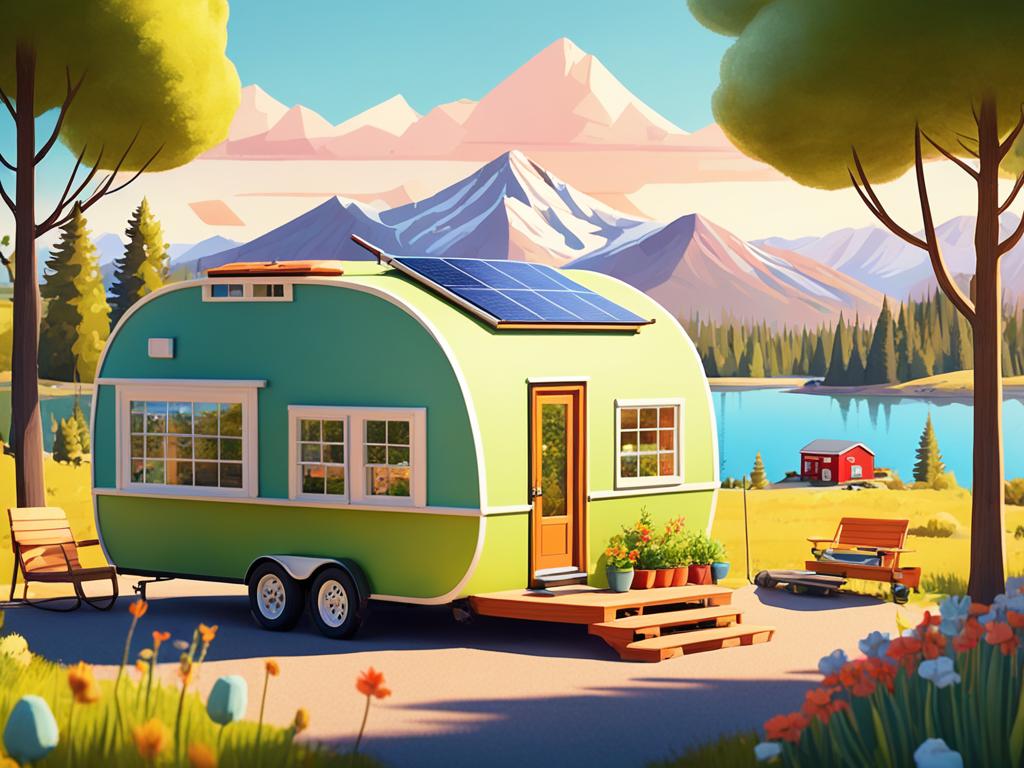
One of the key advantages of sustainable travel with tiny homes is the ability to immerse oneself in the destinations visited. Travelers have the opportunity to experience life from a different perspective, living close to nature and direct contact with local communities. This distinct level of cultural immersion goes beyond typical tourist experiences, allowing individuals to truly understand and appreciate the local customs, traditions, and natural surroundings.
Tiny homes are specifically designed with a focus on resource efficiency and low environmental impact. These small dwellings incorporate energy-efficient features such as solar panels, composting toilets, and rainwater harvesting systems. By customizing their tiny homes with eco-conscious technologies, travelers can reduce their carbon footprint and contribute to a more sustainable planet.
Benefits of Sustainable Travel with Tiny Homes:
- Reduced environmental impact through resource efficiency and low carbon footprint.
- Opportunity for cultural immersion and deeper connection with local communities.
- Flexibility to explore various destinations while having a comfortable and sustainable home on wheels.
- Minimalistic living that promotes conscious consumption and mindful choices.
- Experiencing nature in its purest form, with the ability to park in stunning natural landscapes.
Whether it’s a cross-country road trip or a remote wilderness adventure, sustainable travel with tiny homes allows individuals to explore the world while minimizing their impact on the environment. These eco-friendly dwellings provide a unique opportunity to embrace a more intentional and conscious way of living, maximizing the potential for unforgettable experiences and memories.
Benefits of Minimalist Living
Living in a tiny home encourages a minimalist lifestyle, which promotes conscious consumption and mindful choices. By embracing minimalism, individuals can reduce their environmental impact and live in harmony with their surroundings. With limited space in a tiny home, people naturally become more mindful of their possessions and prioritize what truly matters to them. This conscious approach to consumption not only reduces waste but also allows for a more meaningful and intentional way of living.
Minimalist living also offers financial freedom. By eliminating the need for a large mortgage and the high costs of maintenance and utilities associated with larger homes, individuals can save money and achieve greater financial stability. This newfound freedom provides opportunities for personal growth, such as pursuing passions, traveling, or investing in experiences rather than material possessions.
Planning Your Tiny Home Adventure
Before embarking on your tiny home adventure, it’s crucial to plan and consider various factors. From travel planning to tiny home design, eco-friendly features, and off-grid living, meticulous planning ensures a successful and fulfilling experience.
Travel Planning
Start by deciding on your travel destinations and routes. Consider scenic locations, national parks, or areas that align with your interests. Research the best times to visit and make a travel itinerary to ensure you can make the most of your tiny home adventure. Explore local attractions, hiking trails, and hidden gems to fully immerse yourself in each location.
Tiny Home Design
Customising your tiny home to meet your needs and preferences is an exciting part of the planning process. Focus on maximising space and functionality. Consider space-saving storage solutions, multi-purpose furniture, and efficient layouts. Incorporate eco-friendly materials and sustainable design features to reduce your carbon footprint and enhance the eco-friendliness of your tiny home.
Eco-Friendly Features
Living in a tiny home offers an opportunity to embrace eco-friendly practices. Consider incorporating features such as solar power systems, rainwater harvesting, and composting toilets. These features can help reduce reliance on traditional energy sources, conserve water, and minimise waste. Emphasise sustainable and renewable resources throughout your tiny home design to create a more eco-conscious living space.
Off-Grid Living
If living off-grid is part of your tiny home adventure, carefully plan for alternative sources of energy and water. Solar panels, wind turbines, and generators can provide electricity, while rainwater collection and filtration systems can ensure a sustainable water supply. Research different off-grid living options, seek advice from experienced off-gridders, and be prepared for self-sufficiency in remote locations.
By thoroughly considering these factors and conducting extensive research, you can plan a memorable and fulfilling tiny home adventure. Designing your tiny home to align with your values of eco-friendliness and living off-grid enhances the overall experience. So, start planning and get ready to embark on your unique and sustainable travel journey in a tiny home.
Conclusion
Tiny homes offer a unique and sustainable way to embark on a travel adventure. By embracing minimalist living and choosing a tiny home as your accommodation, you can reduce your environmental footprint, live a more intentional lifestyle, and experience the joys of exploring new places. Whether you choose to rent a tiny home or build your own, the tiny home movement provides an opportunity to live life on your terms and create unforgettable travel memories.
With their focus on sustainability and resource efficiency, tiny homes align perfectly with the principles of sustainable travel. By opting for a tiny home adventure, you can reduce your impact on the environment while still indulging in the excitement of travel. These compact homes allow you to immerse yourself in the destinations you visit, fostering a deeper connection with the local community and culture.
The minimalist living journey goes hand in hand with tiny home travels. By letting go of excess possessions and embracing minimalism, you can free yourself from the burden of excessive consumption. This not only benefits the environment but also offers financial freedom. With fewer financial obligations, you can redirect your resources towards experiences and personal growth, enhancing the quality of your travel adventures.


Join The Discussion