


Are you ready to embrace a simpler lifestyle and live in a space that prioritizes functionality and sustainability? Meet Fabienne, a resident of Switzerland, who has found joy and contentment in her 25m2 wooden tiny house. In a world where bigger often seems better, Fabienne’s tiny house challenges conventional beliefs and offers a glimpse into the beauty of compact living.
Fabienne’s tiny house is a testament to the potential of minimalistic living. With clever storage solutions and thoughtful design, she has transformed her compact space into a cozy haven. But what are the benefits of tiny house living? How can these small homes promote sustainability and a more mindful way of life? And how is IKEA revolutionizing the world of tiny houses?
In this article, we’ll explore the allure of tiny house living, uncover the environmental benefits, and share space-saving tips to make the most of your compact abode. Get ready to rethink what it means to truly embrace minimalism and sustainability.
Key Takeaways:
- Tiny house living offers an opportunity to downsize and live more sustainably.
- These small homes have a smaller environmental footprint and encourage resource conservation.
- IKEA’s collaboration with ESCAPE brings sustainable and affordable tiny houses to the market.
- Maximizing space is crucial in tiny house living, and smart storage solutions are key.
- Tiny house design embraces a minimalist aesthetic, creating an inviting and tranquil atmosphere.
The Benefits of Tiny House Living
Living in a tiny house offers a myriad of benefits, ranging from efficient space utilization to sustainable living. These homes, known for their micro living concept and innovative design, have gained popularity among those seeking a more intentional and environmentally conscious lifestyle. With their compact size and thoughtful design, tiny houses provide a unique opportunity to customise living spaces according to individual needs.
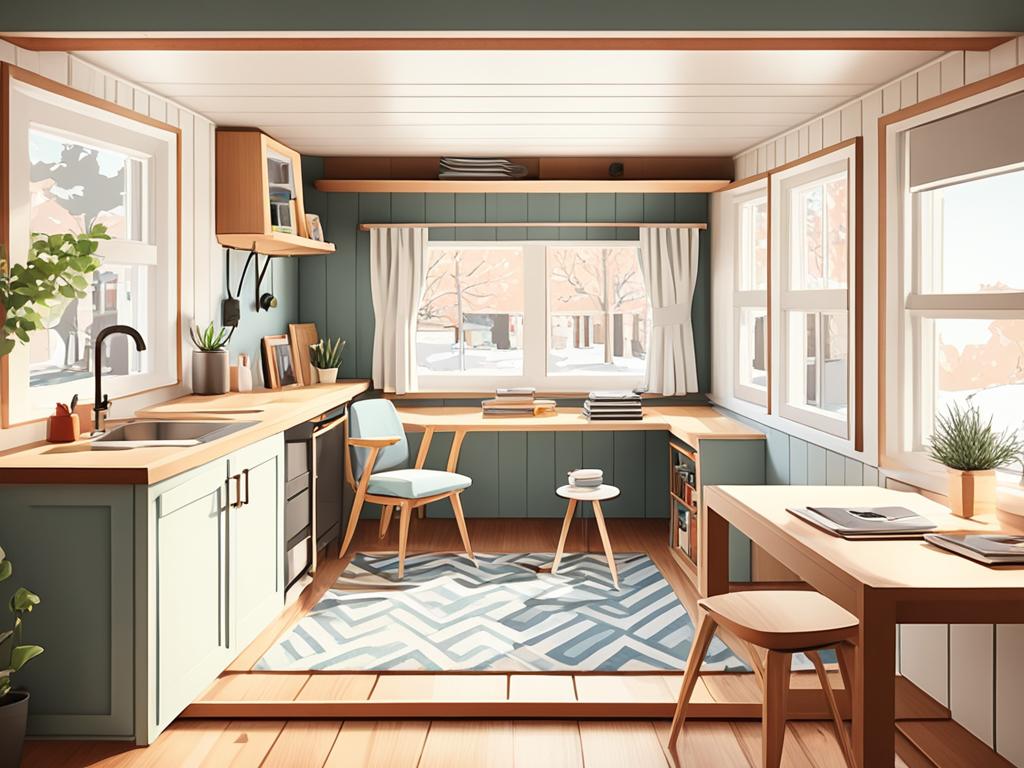
One of the key advantages of tiny house living is the efficient use of space and resources. These ultra-compact dwellings are designed to maximise every square inch, making them incredibly efficient homes. Clever storage solutions, multifunctional furniture, and smart layouts enable residents to live comfortably without sacrificing functionality.
Tiny houses also offer significant environmental benefits. Studies have shown that these homes have a smaller environmental footprint compared to traditional houses. With less square footage to heat or cool, tiny houses require less electricity and resources, resulting in lower energy consumption and reduced carbon emissions. Additionally, the construction of tiny houses requires fewer materials, minimizing waste and contributing to a more sustainable approach to housing.
Living in a tiny house encourages a minimalist lifestyle. With limited space available, individuals are encouraged to embrace simplicity and reduce clutter. This focus on minimalism promotes conscious consumption and helps individuals prioritize quality over quantity. By adopting a more mindful approach to possessions, tiny house dwellers can live with less and experience a sense of freedom from material excess.
Tiny house design incorporates functionality and style, creating homes that are not only practical but aesthetically pleasing. From smart storage solutions to innovative space-saving techniques, every aspect of tiny home design is carefully considered to make the most of the available space. The result is a harmonious blend of form and function, where every element serves a purpose while maintaining a visually appealing environment.
Furthermore, living in a tiny house presents financial advantages. With lower construction costs and reduced energy consumption, tiny house living can offer significant long-term savings. In a world where housing affordability is a growing concern, tiny houses provide an alternative that combines practicality with affordability.
In conclusion, tiny house living offers numerous benefits, including efficient use of space, minimalist lifestyle, and reduced environmental impact. These compact and sustainable homes provide a unique opportunity for individuals to customise their living spaces while embracing a simpler and more intentional way of life.
IKEA’s Tiny House Collaboration
IKEA, renowned for its affordable and stylish furniture, has expanded its focus to include sustainable housing solutions. In collaboration with ESCAPE, a Wisconsin-based tiny home builder, IKEA has ventured into the world of tiny house living. The partnership aims to create sustainable and affordable tiny houses that prioritize eco-friendly practices and design.
These prebuilt tiny homes are constructed on a flatbed trailer, allowing for easy mobility and flexibility. Whether you want to explore different locations or simply change the scenery, these homes can go wherever your heart desires. IKEA and ESCAPE have combined their expertise to offer a streamlined and efficient process for homeowners seeking a sustainable housing option.
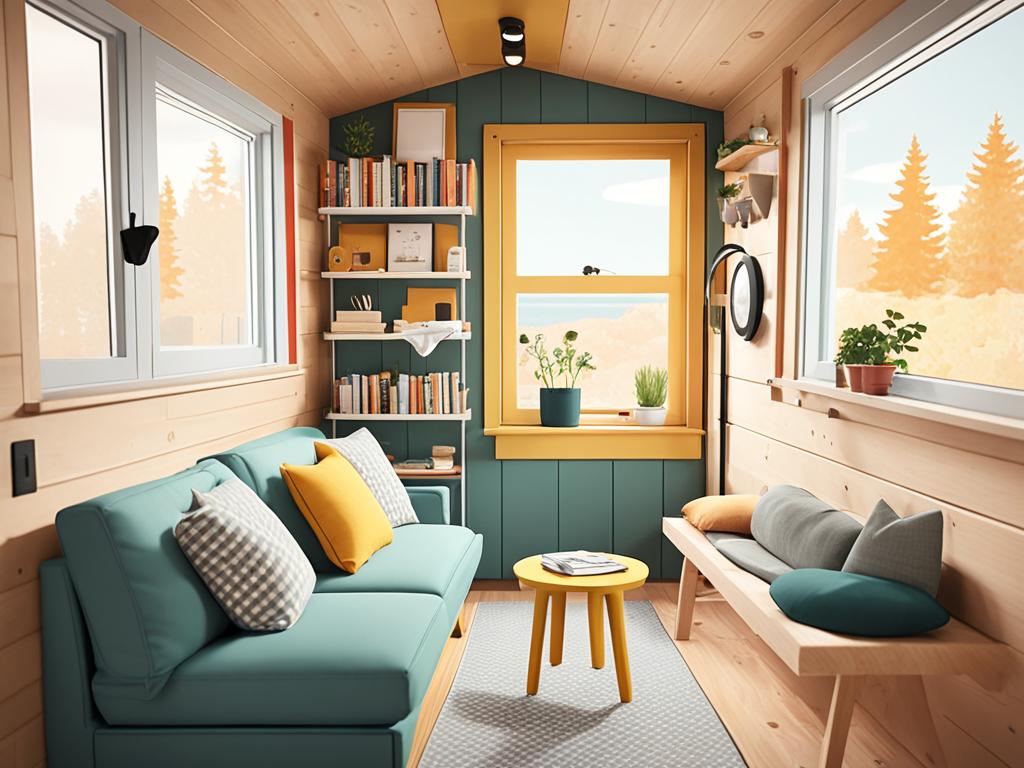
The design of these tiny houses revolves around the use of renewable and recycled materials, ensuring minimal environmental impact. For example, repurposed plastic bottles are used for kitchen surfaces, giving new life to a previously discarded material. By embracing recycled materials, IKEA and ESCAPE demonstrate their commitment to sustainability and the circular economy.
Additionally, these tiny houses incorporate various features to enhance energy efficiency and reduce reliance on traditional energy sources. Solar panels are integrated into the design to harness renewable energy, reducing electricity consumption and carbon emissions. Composting toilets further minimize water usage and promote sustainable waste management. Energy-efficient lighting systems are also in place to optimize energy conservation and help homeowners reduce their ecological footprint.
By combining IKEA’s commitment to affordability and ESCAPE’s expertise in tiny house construction, this collaboration offers an accessible path to sustainable housing. With the compact and eco-friendly design of these tiny homes, individuals can embrace a simpler lifestyle without compromising on comfort and style. IKEA’s dedication to sustainability extends beyond furniture and into the realm of housing, providing innovative alternatives for those seeking an affordable and environmentally conscious living option.
Space-Saving Tips for Tiny House Living
When living in a tiny house, maximising space is crucial. Here are four space-saving tips:
-
Utilise smart storage solutions, such as staggered storage under stairs or built-in storage underneath furniture.
-
Opt for stackable furniture pieces like stools that can be easily stored when not in use.
-
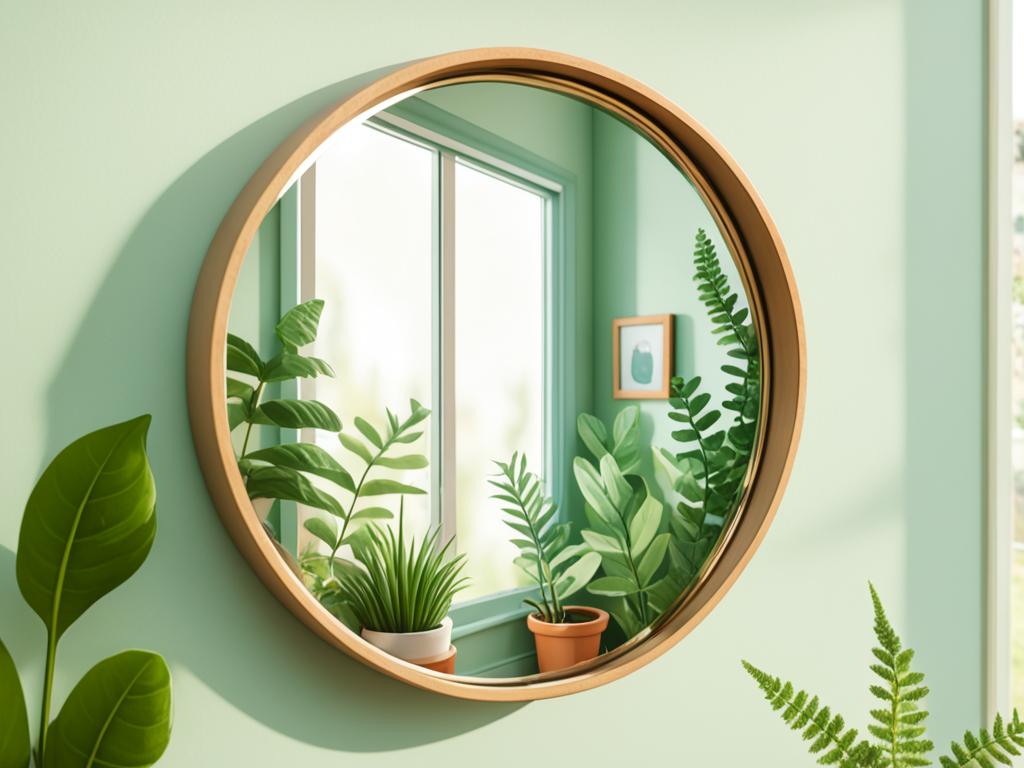
Use mirrors to create the illusion of space and reflect light, making the house feel larger.
-
Invest in folding furniture, like a gateleg table, that can be folded away when not needed, saving floor space.
Beyond the constraints of a tiny house, these space-saving strategies can be applied to any small living space. Whether you’re customising your own tiny house or maximising every square inch of an apartment, incorporating smart storage, stackable furniture, mirrors, and folding furniture can help create a more functional and spacious environment.
The Charm of Tiny House Design
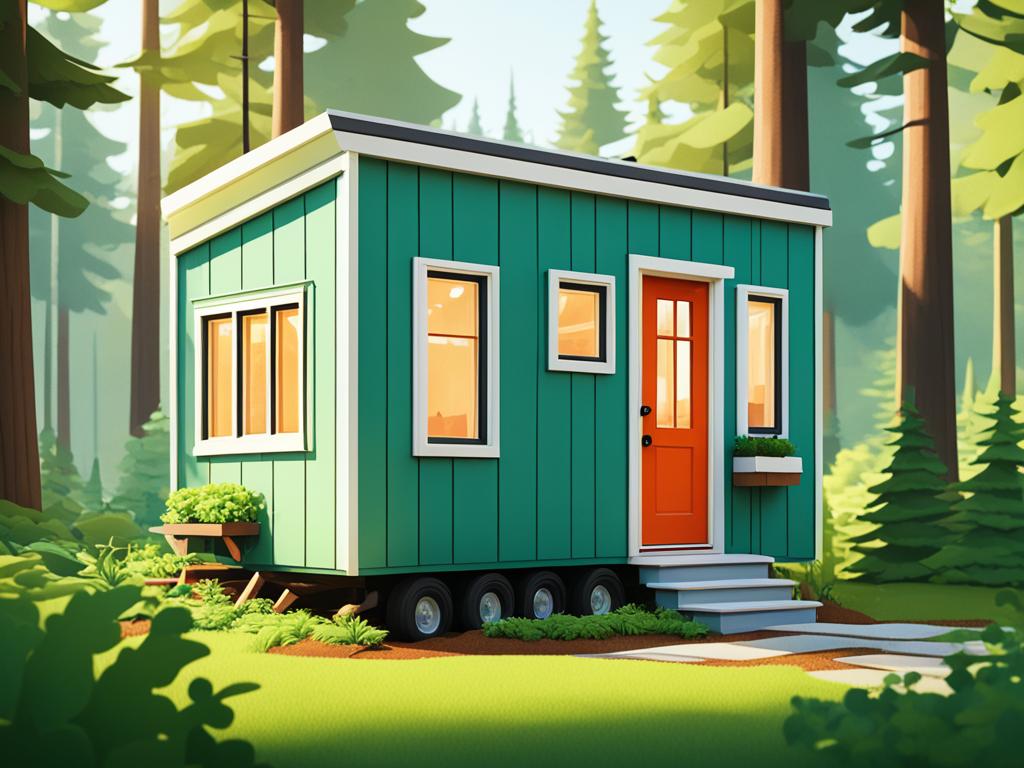
Tiny houses are known for their cozy and inviting atmosphere. Designers often incorporate a minimalist style, focusing on neutral colors and natural materials like blond wood. This aesthetic creates a Nordic charm that exudes comfort and warmth. The use of simple accents and clean lines enhances the overall appeal of tiny house design, making the space feel welcoming and tranquil.
Embracing Minimalism
In tiny house design, less is definitely more. The minimalist style aims to create simplicity and functionality by eliminating unnecessary clutter. By using neutral colors like whites, grays, and earth tones, the focus remains on the carefully chosen furniture and thoughtful design elements. This minimalist approach allows for a calming and serene environment.
A Nordic Aesthetic
The Nordic aesthetic, inspired by Scandinavian design, perfectly complements the charm of tiny houses. This style emphasizes clean lines, natural materials, and a connection to nature. Incorporating blond wood, such as pine or birch, creates a warm and inviting atmosphere, reminiscent of rustic Nordic cabins.
Neutral Colors for Serenity
The choice of neutral colors further enhances the tranquility of tiny house design. Whites and light grays create a sense of openness and spaciousness, while earth tones like soft beiges and muted greens add warmth and grounding. Neutral colors allow for a versatile backdrop and provide a soothing environment.
Blond Wood for Natural Beauty
Blond wood, with its light and natural tones, adds a touch of elegance and natural beauty to tiny house design. Whether used for flooring, walls, or furniture, blond wood brings a sense of warmth and simplicity. Its natural grain patterns and light color create a visually appealing and inviting space.
The Environmental Benefits of Tiny House Living
Tiny house living offers more than just a compact and minimalist lifestyle. It also brings significant environmental benefits, making it an appealing choice for those who want to reduce their ecological footprint. These small homes have a smaller environmental footprint due to their reduced energy consumption and material usage.
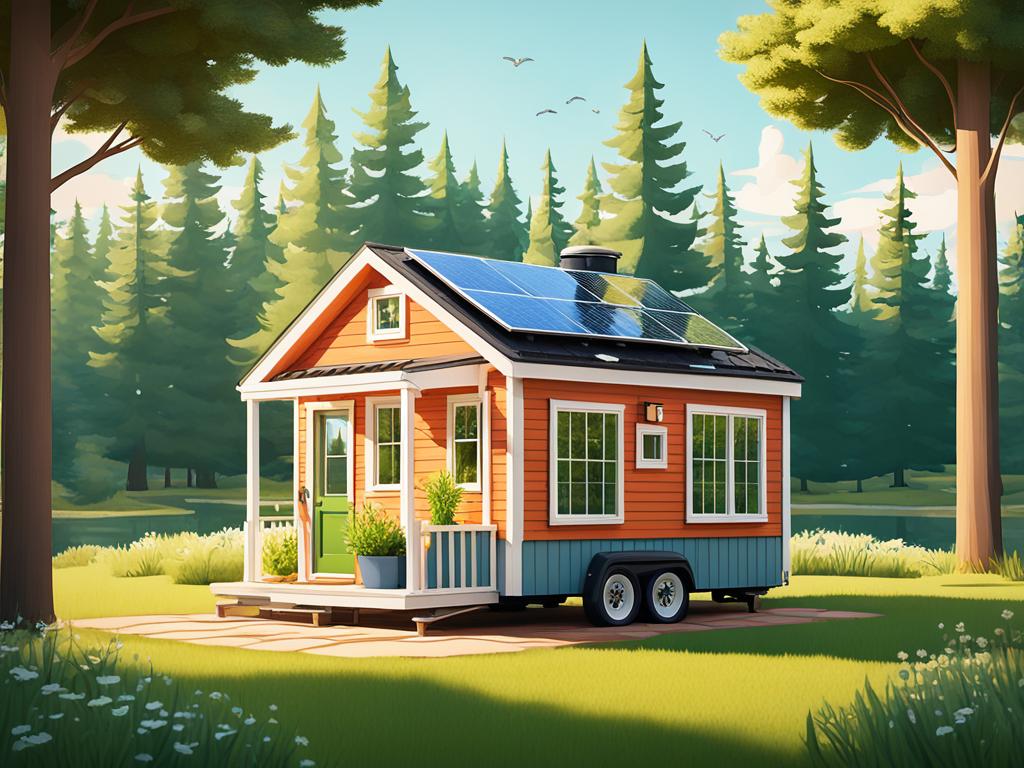
One of the key ways tiny homes contribute to sustainability is through energy efficiency. Many tiny houses are designed with features like solar panels and energy-efficient lighting. By harnessing renewable energy sources and reducing electricity consumption, tiny house dwellers can significantly decrease their carbon emissions and reliance on non-renewable energy.
Energy-Efficient Lighting
The use of energy-efficient lighting plays a vital role in reducing energy consumption in tiny houses. LED bulbs, for example, consume significantly less energy than traditional incandescent bulbs while providing the same level of brightness. By opting for energy-saving lighting solutions, tiny house owners can help conserve energy and lower their environmental impact.
Water Conservation
Tiny house living also promotes water conservation through the adoption of mindful practices. Many tiny homes are equipped with low-flow faucets and toilets to minimize water usage. These fixtures limit water wastage, allowing residents to reduce their daily water consumption without sacrificing comfort or convenience. By conserving water, tiny house dwellers contribute to the preservation of this precious resource and promote sustainable living.
Moreover, choosing a minimalist lifestyle and downsizing contribute to a smaller carbon footprint. By embracing a simpler and clutter-free life, individuals consume less, reduce waste, and minimize their impact on the environment.
Overall, tiny house living offers not only a solution to the housing crisis but also an opportunity for individuals to live more sustainably. With reduced energy consumption, water conservation efforts, and a focus on minimalism, tiny house dwellers can enjoy a comfortable and eco-friendly lifestyle while leaving a lighter environmental footprint.
Conclusion
Tiny houses offer a unique opportunity for sustainable and minimalist living. With innovative design solutions and a focus on efficient use of space, tiny house dwellers can enjoy a comfortable and eco-friendly lifestyle. These compact homes not only reduce energy consumption but also promote a more conscious and intentional way of living.
Living in a tiny house allows individuals to embrace a minimalist lifestyle, where they can prioritize experiences and connections over material possessions. By downsizing and simplifying their lives, tiny house residents can reduce their environmental impact and contribute to a more sustainable future for our planet.
If you’re looking to customise a simple yet fulfilling lifestyle and reduce your carbon footprint, consider the charm and practicality of tiny house living. Although small in size, these homes offer big benefits – from lower utility costs to a sense of freedom and connection to nature. Our future can be built on sustainable living, one tiny home at a time.


