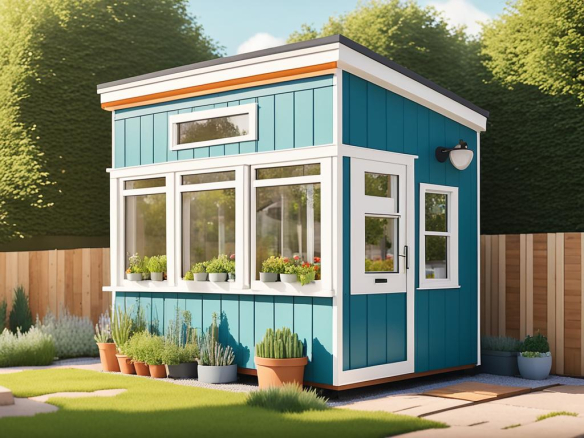
Did you know that the small house movement, also known as the tiny house revolution, is sweeping across the UK? With the rising popularity of minimalist living and sustainable homes, more and more people are embracing the idea of micro living and compact, eco-friendly housing.
Tiny houses, typically under 400 sq. ft, offer a solution to various housing issues in the UK, including difficulties in getting on the property ladder, the desire for self-build options, and the need for eco-friendly homes. These compact and sustainable dwellings have gained popularity not only in the UK but also in countries like the USA, Japan, Germany, Spain, New Zealand, and Australia.
Key Takeaways:
- The small house movement, also known as the tiny house revolution, is gaining momentum in the UK.
- Tiny houses offer a solution to housing challenges such as limited affordability and the desire for eco-friendly living.
- Micro living promotes a minimalist lifestyle and encourages financial prudence.
- The demand for customizable, self-built homes is on the rise.
- Tiny houses provide an alternative path to homeownership and a more sustainable way of living.
What is Tiny House Living?
Tiny house living promotes a minimalist lifestyle in small homes. While there is no set definition for what constitutes a tiny house, any residential structure under 400 sq. ft is generally considered a tiny home. This way of living encourages financial prudence, shared community experiences, and a shift away from consumerism-driven mindsets.
The benefits of tiny house living include the ability to live debt-free, reduced environmental impact, and potential cost savings. By downsizing to a small home, individuals can prioritize what truly matters to them and live a simpler, more intentional life. Tiny houses are designed to maximize space utilization, with clever storage solutions and efficient layouts.
Key Features of Tiny House Living:
- Promotion of minimalist lifestyle
- Financial prudence and potential cost savings
- Shared community experiences
- Reduced environmental impact
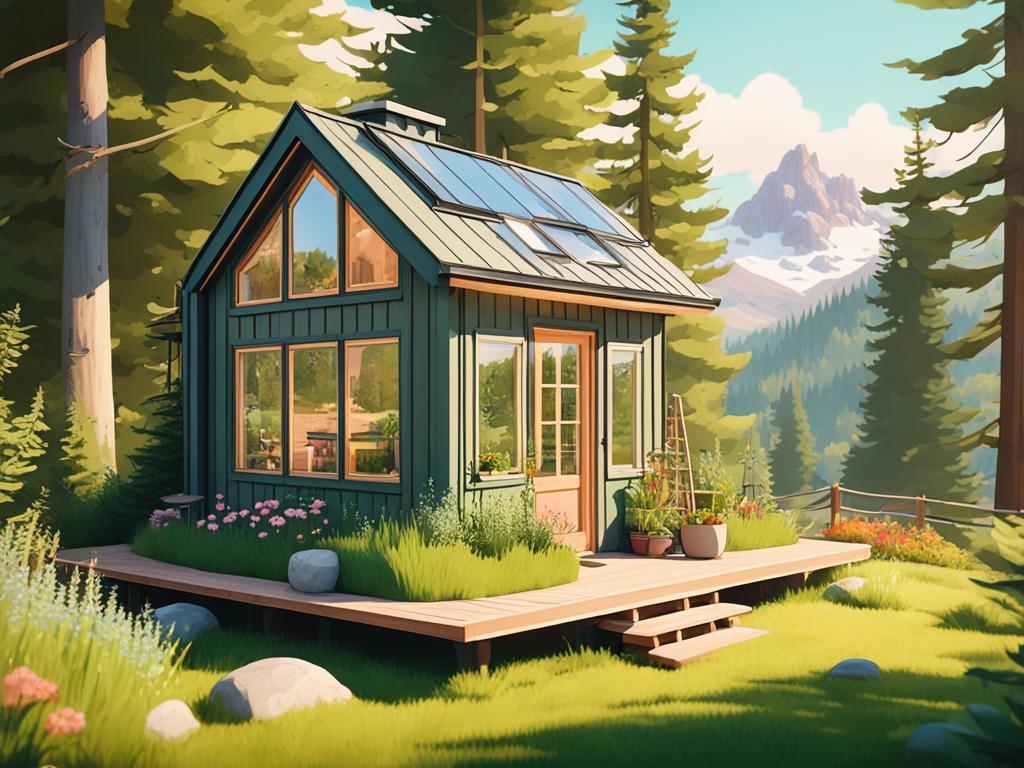
Living in a tiny house allows individuals to reduce their carbon footprint and adopt a more sustainable way of life. The compact size of tiny houses requires less energy for heating, cooling, and maintenance. This not only benefits the environment but also contributes to long-term cost savings.
Tiny house living also promotes a sense of community, as many tiny house owners choose to live in intentional communities or mobile tiny house villages. These communities foster shared values, support systems, and a strong sense of belonging.
Why Choose Tiny Houses?
Tiny houses offer a unique solution to a range of modern-day housing issues, making them an appealing choice for many individuals. With the current housing crisis and high mortgage requirements, it has become increasingly challenging to get on the property ladder. However, tiny houses provide a more affordable alternative, allowing people to achieve homeownership without the burden of massive debt.
The desire to self-build is also gaining popularity as an option to traditional mortgages. Many individuals prefer the freedom and creativity that comes with designing and constructing their own homes. Tiny houses offer the perfect opportunity for those looking to embark on a self-building journey, allowing them to customize their living spaces according to their specific needs and preferences.
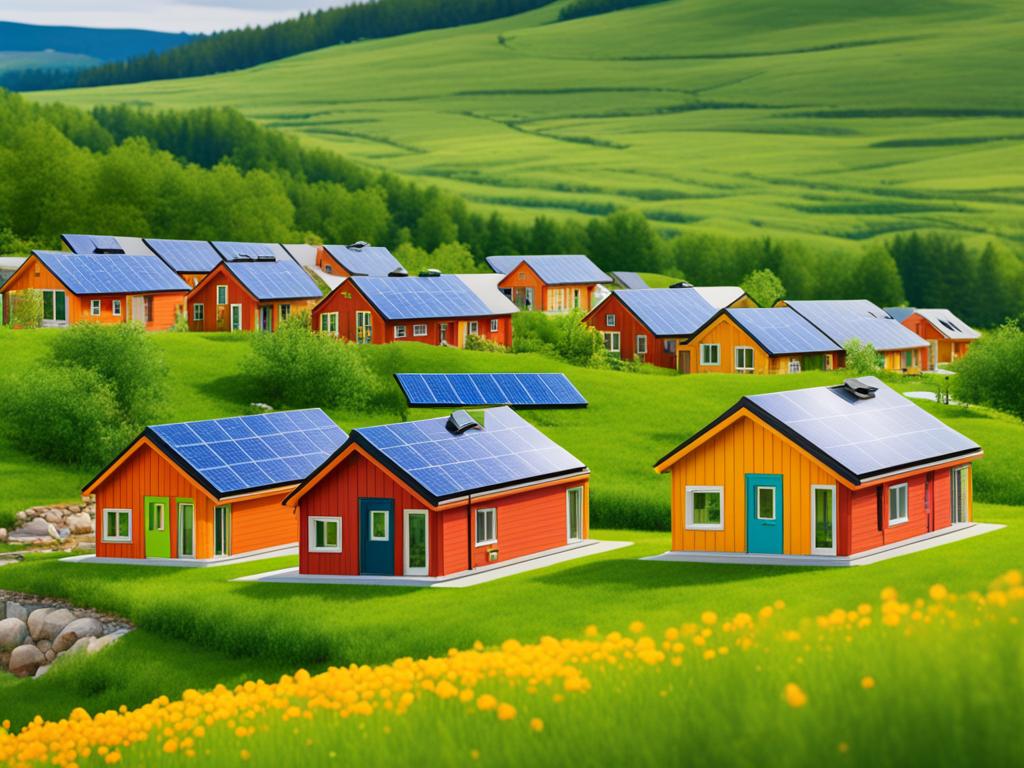
Furthermore, the demand for eco-friendly homes is growing, driven by the need for sustainable living and reducing carbon footprints. Tiny houses provide an excellent solution in this regard. These compact dwellings are designed to maximize energy efficiency and promote eco-conscious practices. From incorporating renewable energy sources to utilizing sustainable building materials, tiny houses are paving the way for a greener and more environmentally friendly way of living.
By embracing the tiny house movement, individuals not only address housing challenges but also contribute to a more sustainable future. The combination of affordability, self-build possibilities, and eco-friendly features makes tiny houses an attractive choice for those seeking a simpler, more environmentally conscious lifestyle.
The Appeal of Tiny Houses in the UK
In the UK, tiny houses have gained popularity due to their affordability and customisation options. With soaring property prices and limited availability of mortgages, many individuals are turning to tiny houses as a more accessible housing solution. These homes can be customised to meet individual needs and preferences, allowing homeowners to create a space that truly reflects their unique style and requirements.
One of the major attractions of tiny houses is their housing affordability. With traditional property prices reaching astronomical levels, tiny houses offer an alternative for those looking to enter the property market without breaking the bank. Starting at around £23,500, these compact dwellings provide a more manageable investment for individuals looking for homeownership.
Additionally, the customisation options available with tiny houses allow homeowners to create a living space tailored to their specific lifestyle. From innovative storage solutions to unique layouts, tiny house owners have the freedom to design a home that maximises space and meets their individual needs. This level of customisation fosters a sense of pride and ownership, making tiny houses truly feel like home.
Furthermore, the financial benefits of tiny house living cannot be overlooked. In addition to the lower upfront costs, tiny houses also offer the potential for reduced ongoing expenses. With smaller square footage, utility bills and maintenance costs can be significantly lower compared to traditional homes. This financial advantage allows homeowners to allocate their resources towards other priorities, such as travel, hobbies, or savings.
 immerse yourself in your favourite activities without worrying about the financial strain of a larger home.
The Reality of Tiny House Living
Living in a tiny house comes with its own challenges and considerations. While the efficient use of space allows for clever storage solutions and unique design features, it may also present unexpected problems in terms of wear and tear and maintaining cleanliness.
Tiny house living requires a shift in lifestyle and habits to adapt to the limited space. This means making conscious choices about what to keep and what to let go, as well as finding creative ways to maximize space utilization.
Despite these challenges, many individuals find the practicality and simplicity of tiny house living to be rewarding and fulfilling. The minimalistic lifestyle encourages a more intentional approach to possessions and promotes a focus on experiences over material goods.
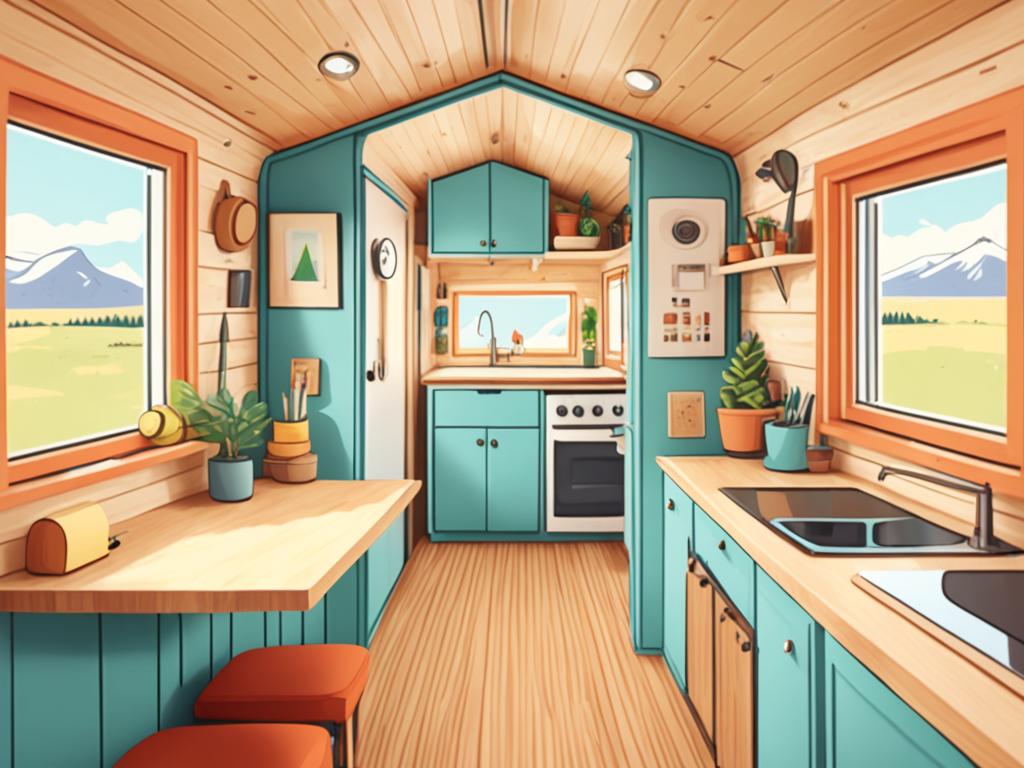
With careful planning and organization, tiny house owners can create functional living spaces that meet their needs. Innovative storage solutions such as built-in cupboards, hidden compartments, and multipurpose furniture enable the maximization of space while maintaining aesthetics.
Additionally, tiny house living often entails lifestyle changes that go beyond the physical space. It encourages a deeper connection with nature and a more sustainable way of living. The smaller footprint of a tiny house means reduced energy consumption and a reduced impact on the environment.
Conclusion
The tiny house revolution in the UK is at the forefront of a sustainable living movement, promoting a minimalist lifestyle that is gaining momentum. As more individuals look for innovative solutions to housing challenges, tiny houses offer a unique and affordable option. These compact dwellings allow for customization and personalization, providing homeowners with a chance to create a space that truly reflects their needs and preferences.
While tiny house living may not be suitable for everyone, it presents an alternative path to homeownership and self-building. The financial benefits, coupled with the reduced environmental impact, make tiny houses an attractive choice for those seeking a more fulfilling and sustainable lifestyle. By embracing a minimalist approach and downsizing, individuals can free themselves from the burden of excessive material possessions and focus on what truly matters.
Living in a tiny house requires a shift in mindset and a willingness to adapt to a smaller living space. However, the rewards are plentiful. With careful space planning and organization, homeowners can optimize their limited square footage to create a cozy and functional home. The minimalist lifestyle that comes with tiny house living encourages a greater appreciation for simplicity, fostering a sense of contentment and mindfulness.
As the tiny house revolution grows and evolves in the UK, it offers a promising solution to the housing challenges faced by many. By embracing sustainable living and opting for a minimalist lifestyle, individuals can not only find an affordable alternative to traditional housing but also contribute positively to the environment. The tiny house revolution represents a significant step towards creating a more balanced and conscious approach to homeownership and living in harmony with the planet.